Call (612) 703-3431 To Schedule Your Free Inspection Today

Roofing Contractor in Chanhassen, MN
Built Right. Explained Clearly. Done.
What a Roofing Contractor Actually Does
Roof Replacement Services You Can Count On
Roof Replacement: A full tear-off of existing material and installation of a new roofing system, addressing every layer from the decking through the ridge cap. The right call when the roof has reached the end of its useful life, sustained widespread storm damage, or developed systemic failure that targeted repair cannot correct.
Roof Repair: Targeted work on a specific area of damage or failure, appropriate when the overall roof is structurally sound and the damage is isolated. Includes shingle replacement, flashing repair, pipe boot replacement, and valley repair.
Roof Inspection: A professional assessment of the full roofing system, including the decking, ventilation, flashings, and all layers of material. The basis for any honest recommendation about repair versus replacement. An inspection that stays on the ground is not an inspection.
Storm Damage Assessment: Post-storm inspection to identify hail damage, wind uplift, missing material, and compromised flashings. The basis for understanding the scope of any damage before any further steps are taken.
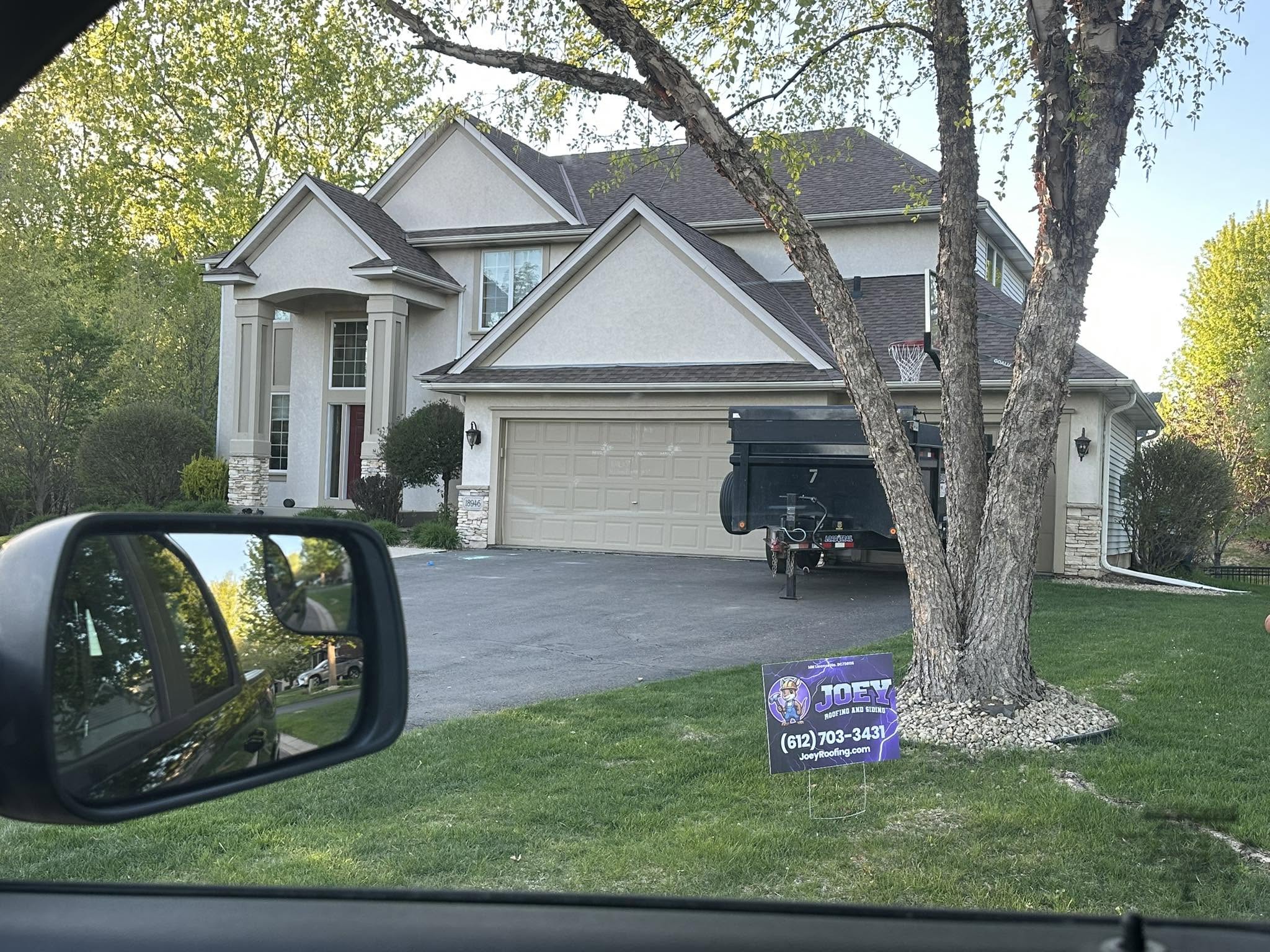
— 18-Point Exterior Inspection
Lock In Your FREE Estimate When You Book Today
What Twin Cities Homeowners Should Know
Why your roof system is built the way it is, and when it makes sense to act
A roofing contractor is a licensed professional responsible for the full scope of a residential roofing project, from the initial inspection through the installation of every layer of the roofing system and the final walkthrough. The category covers a range of work that varies significantly in scale and complexity, from targeted repairs on a structurally sound roof to complete tear-offs and full system replacements. When you search for a roofing contractor in Chanhassen, you are looking for someone licensed in Minnesota to assess your specific situation and build or repair the system your home depends on to stay dry and structurally sound through every season.
How To Understand Your Roofing System in Minnesota: Beyond The Materials
The decking is where it starts: Everything installed above the roof deck depends on the deck being sound, flat, and properly nailed. When a contractor tears off a roof and skips a thorough decking inspection, soft spots and delaminated sheathing get covered instead of replaced. The new shingles may look fine for a year or two. The underlying failure continues. A professional job photographs the decking before anything goes over it and replaces every compromised section before proceeding.
Ice and water shield placement determines winter performance: In Minnesota, the International Residential Code requires ice and water shield membrane at the eaves and valleys. What most homeowners don't know is that the required minimum is a starting point, not a ceiling. On steep-pitch roofs and in areas with a documented history of ice damming, experienced contractors extend this membrane further up the roof plane, covering the full eave overhang and extending past the interior wall line. The difference between meeting the minimum and actually addressing your roof's exposure can determine whether you ever see a water stain on your ceiling in February.
Ventilation is what makes the shingles last: Shingle warranties in Minnesota are regularly voided because of inadequate ventilation, not installation error. When attic temperatures climb in summer, shingles bake from below. When warm household air escapes into the attic in winter and heats the roof deck unevenly, snow melts and refreezes at the eaves, forming ice dams that force water under the shingles. The Minnesota building code specifies one square foot of net free vent area per 150 square feet of attic floor, with balanced intake at the soffits and exhaust at the ridge. A roof replacement that doesn't evaluate or correct the ventilation leaves the root cause of many common failures in place.
Flashings are the most common source of leaks: The places where the roof meets a wall, a chimney, a dormer, a skylight, or a plumbing stack are the most vulnerable points in any roofing system. Flashings are the metal components that seal these transitions, and they require careful, specific installation to perform correctly. Improperly installed or skipped flashing replacements are the most frequent reason a new roof leaks within the first year of installation. Every transition point on the roof should be evaluated and all compromised or aged flashings replaced as part of any complete roof replacement.
When It Makes Sense To Get Your Roof Inspected
Late spring through early fall is the productive installation window: The Minnesota roofing season runs roughly from May through October for most residential projects, with the peak backlog typically building from June onward as storm season arrives in the Twin Cities metro and Carver County. Scheduling in May or September often means shorter lead times and more scheduling flexibility. Most residential roof replacements in this area are completed in a single day, so weather windows are manageable, but contractor availability compresses significantly after a significant storm event affects multiple neighborhoods at once.
If your roof is between 15-20 years old, a pre-winter inspection makes sense: Architectural asphalt shingles installed in the Twin Cities area typically carry a 25 to 30 year manufacturer lifespan rating, but performance in Minnesota conditions depends heavily on how the ventilation was set up and how the original installation handled the details. A roof that is showing granule loss in the gutters, surface cracking, or curling at the edges is communicating that its remaining protective capacity is declining. An inspection before winter gives you a clear picture of where the system stands before the season that typically causes the most stress on a roof that is already marginal.
After a significant hail or wind event, an inspection window matters: The Twin Cities metro and communities along the Minnesota River valley, including Chaska, can see severe hail and wind events during late spring and summer. When hail causes damage to shingles, the granule layer that protects the asphalt from UV degradation is compromised. The damage is often invisible from the ground and progresses over the following months. Most homeowner's insurance policies have a claim filing window after a loss event. Understanding the scope of any storm damage through a professional inspection, before that window closes, is worth doing even if a claim is ultimately not filed.
Financing timelines can affect project scheduling: Homeowners using financing to cover a roof replacement should account for the approval and processing timeline when planning a project start date. Joey Roofing and Siding works with financing options that allow homeowners to move forward without a lump-sum payment.
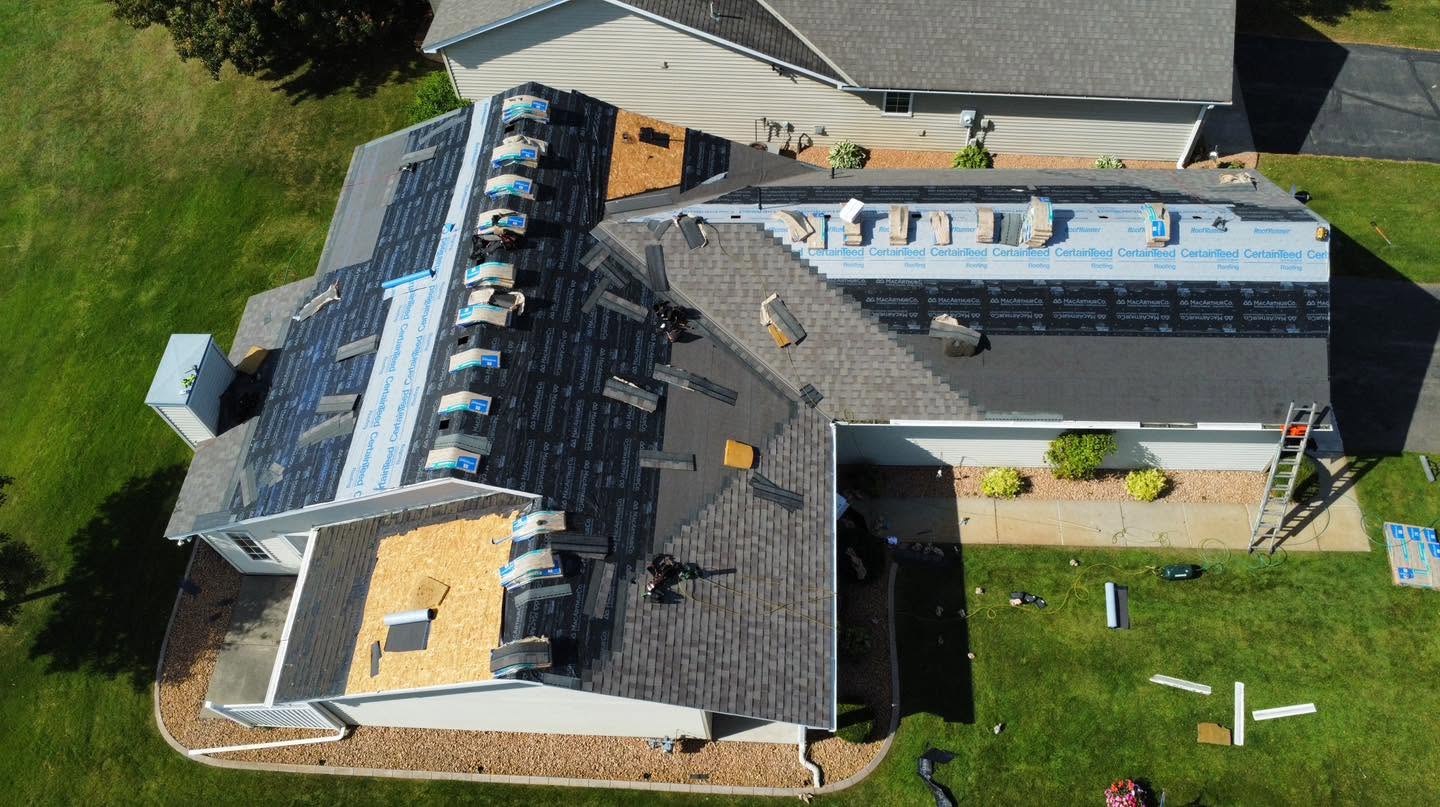
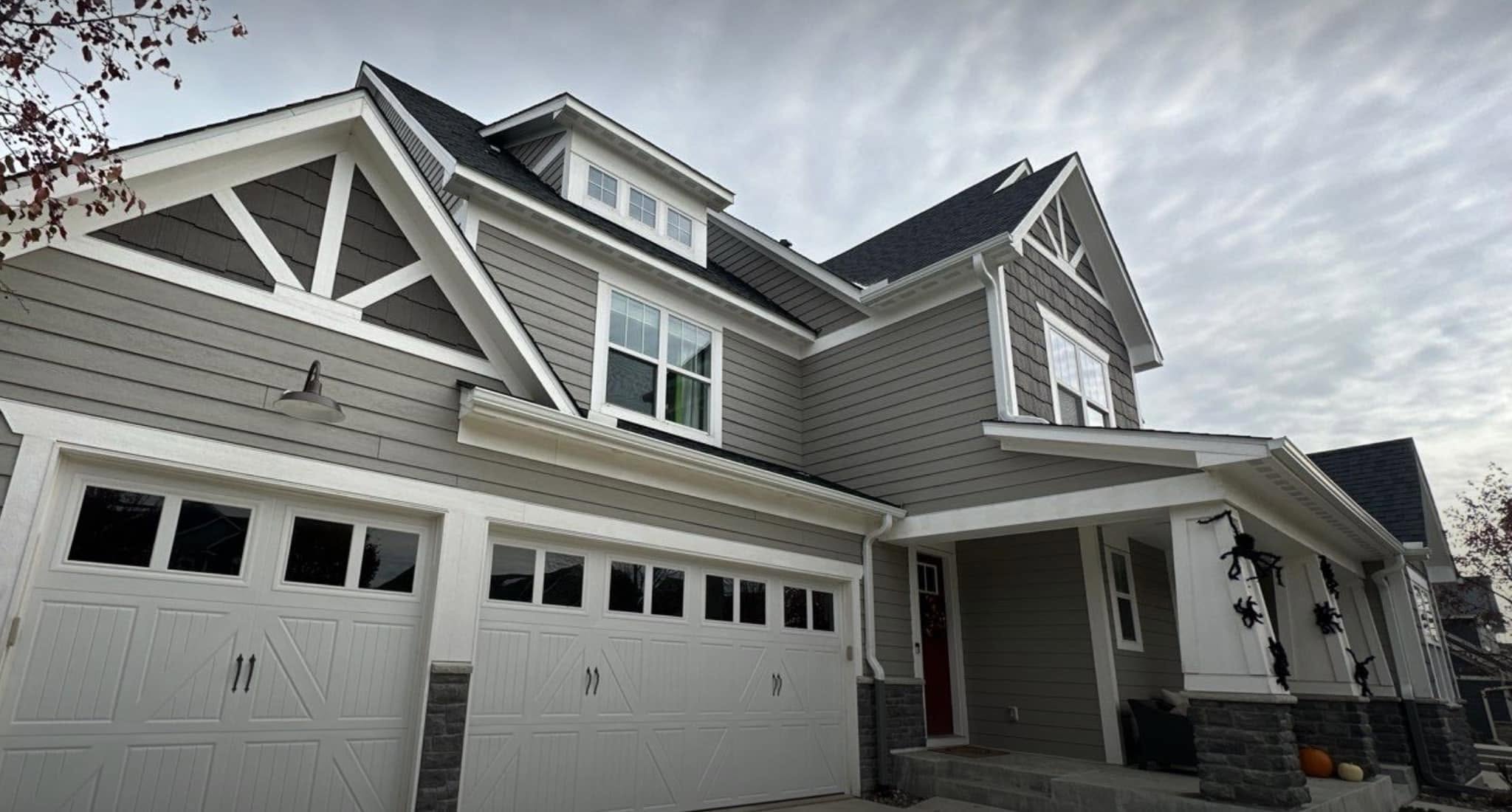
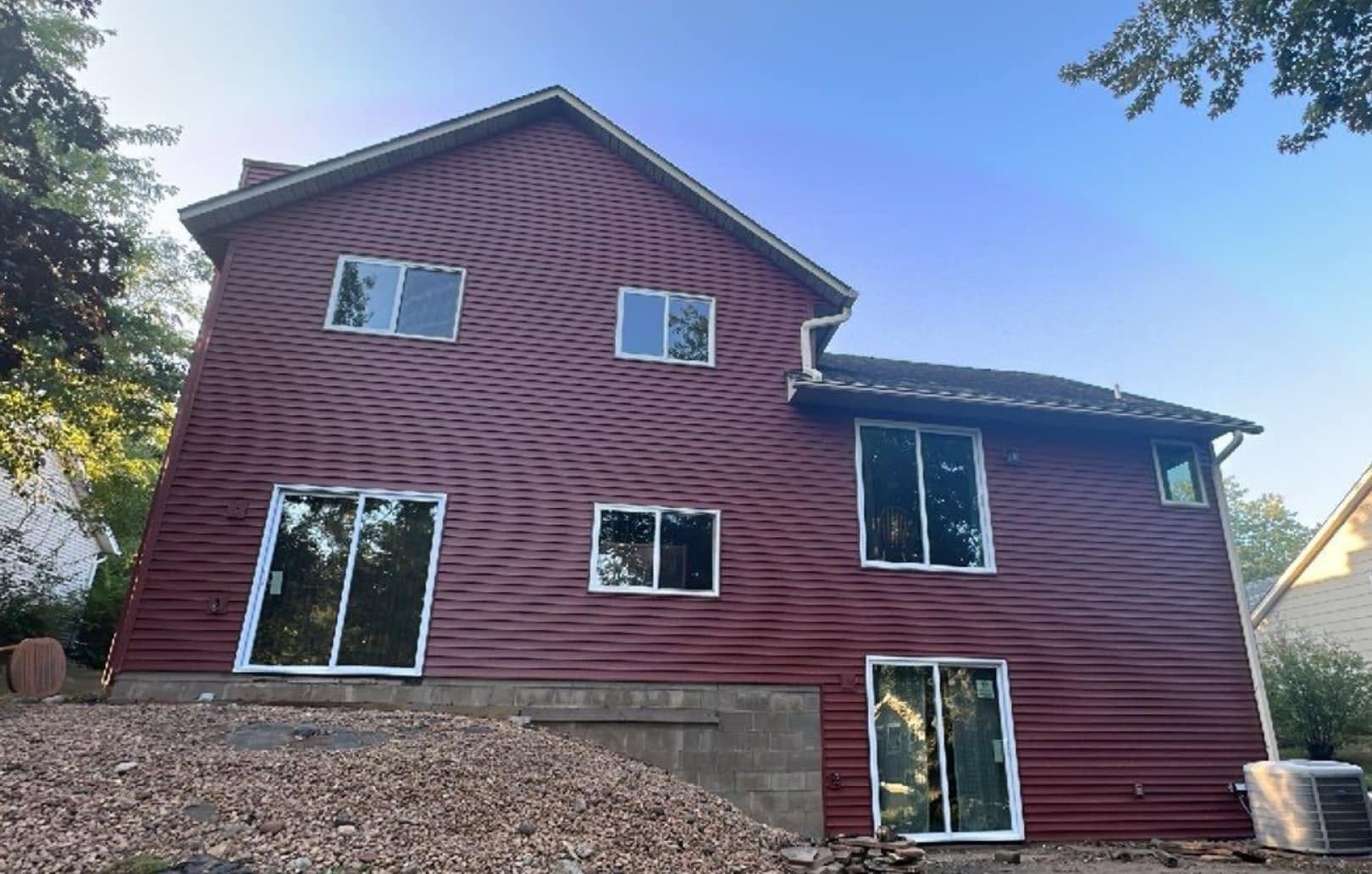
The Perfect Roofing Process
Customer-Obsessed Construction Starts Here
1. On-Roof Inspection Not a Driveway Assessment.
We get on the roof. Every inspection involves a physical evaluation of the shingles, flashings, pipe boots, ridge condition, and exposed decking edges. We check the attic for ventilation balance and signs of moisture damage. If you have been given a replacement recommendation from a contractor who evaluated your roof from the ground, you have not received a real inspection. You have received a sales visit.
2. A Scope Built Around What Your Roof Actually Needs.
After the inspection, we explain what we found and what it means. If the roof is repairable, we say so. If replacement is the right call, we show you why, walk you through every component of the scope, and explain what each line item is protecting against. The scope is custom to your specific roof, not a template adapted with your name at the top. This is the transparent sales process that defines how we operate.
3. Decking Inspection and Documentation Before Installation Begins.
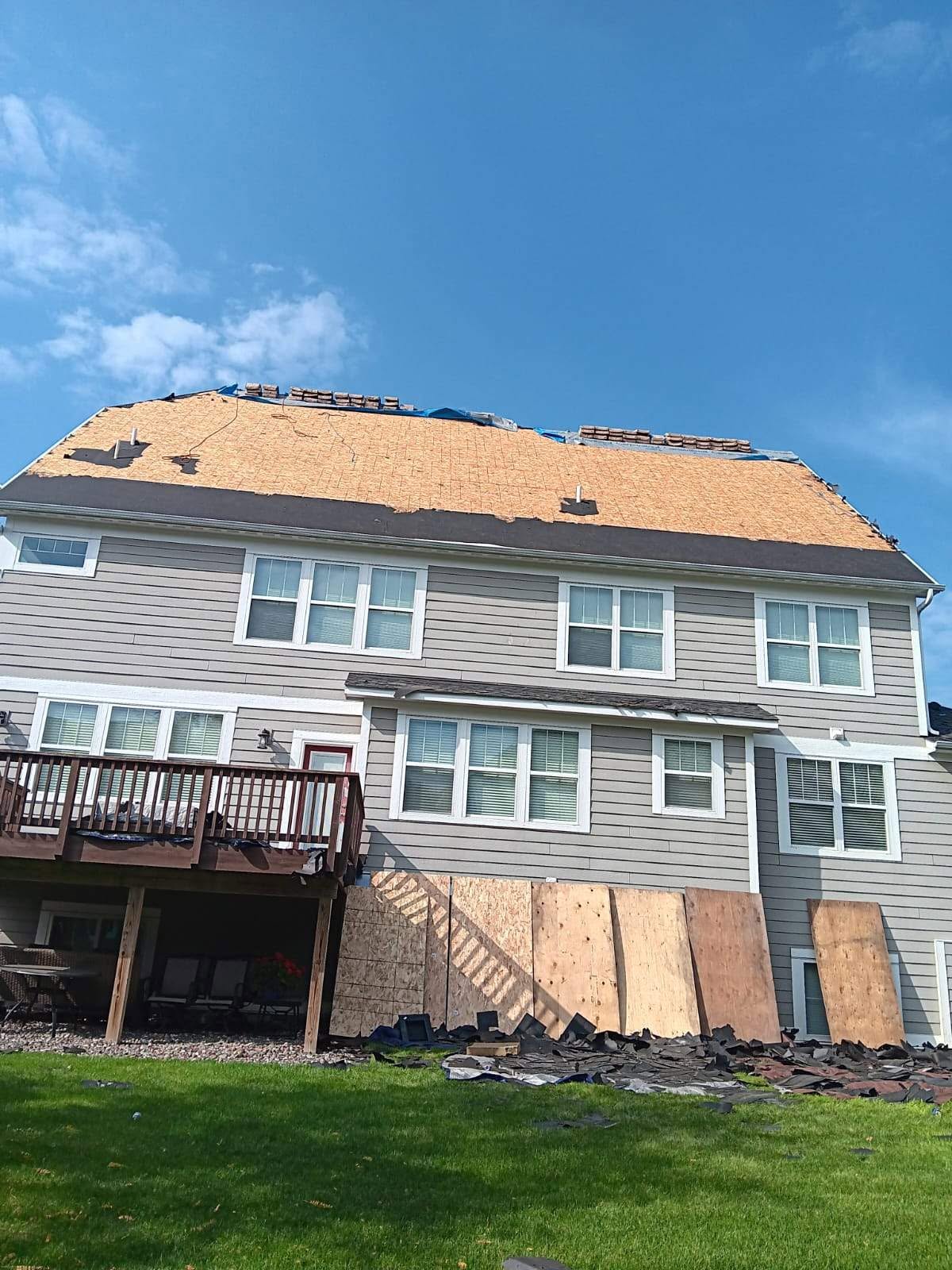
Before any new material is installed, the full roof deck is inspected. Soft spots, delaminated sheathing, and improperly fastened decking are identified, photographed, and addressed. If decking replacement is needed, we communicate the scope and the cost before proceeding, not as a surprise addition at the end of the job. This is the step most shortcuts skip. It is also the step that determines whether the new roof performs as it should over time.
4. Full System Installation Every Layer, Every Transition.
A complete replacement starts with the ice and water shield at every eave and valley, synthetic underlayment across the field, the specified shingle material properly fastened per manufacturer requirements, and new flashings at every penetration and transition. Ridge cap is installed with appropriate nailing pattern and alignment. Pipe boots are replaced, not reused. This is what a full system installation means. It is not the same as a shingle swap.
5. Ventilation Verification Before We Leave.
Before the crew leaves the job site, we verify that the intake and exhaust ventilation is functioning as designed. Blocked soffit vents from installation debris are a documented cause of post-installation ice dam problems. We check them. If a ventilation improvement is part of the scope, we confirm it is working. A roof that performs correctly through a Minnesota winter requires adequate airflow from day one.
6. Cleanup, Walkthrough, and a Contact Who Answers.
Magnetic rollers collect nails from the lawn and driveway. The job site is clean before we leave. You get a walkthrough of the completed work with the same person who scoped the job and managed the installation. If a question comes up after we leave, there is one person to call and that call gets answered. This is not a standard we aspire to. It is the standard our reviews describe.
Frequently Asked Questions
Common Questions Your Neighbors Are Asking
How do I know if I need a roof repair or a full replacement?
The honest answer depends on three things: the age of the roof, the extent of the damage, and the condition of the decking underneath. A roof under 15 years old with localized damage to a specific section is generally a good repair candidate, assuming the rest of the system is sound. A roof over 20 years old with granule loss across multiple sections, curling shingles, or multiple areas of failure is usually past the point where repair is a sound investment. The only way to know for certain is a professional inspection that gets on the roof and looks at the decking, the flashings, and the condition of the field shingles across the full surface. A contractor who recommends replacement without doing that inspection is not giving you an honest assessment. So how do I know? Learn more:
What is the right time of year to replace a roof in Minnesota?
The practical installation window in Minnesota runs from May through October, with most crews at peak capacity from June through August after spring storm season generates a surge in demand. September is often an underrated scheduling month because contractor availability opens up after the summer peak and weather conditions remain reliable. Winter installations are possible in mild conditions but require cold-weather adhesives and carry more scheduling risk. If your roof is showing signs of end-of-life condition in the fall, a professional inspection can help you determine whether the system will hold through one more winter or whether acting before spring is the more sound decision.
What causes ice dams and is it a roofing problem or an insulation problem?
Ice dams are caused by uneven roof surface temperatures. Warm air escaping from the living space into the attic heats the upper portion of the roof deck, melting snow. That meltwater runs down toward the eaves, where the roof surface is cold because it overhangs the exterior wall, and refreezes. The accumulating ice ridge blocks additional drainage and forces water under the shingles. The root cause is almost always a combination of insufficient attic insulation and inadequate ventilation, not a roofing failure. Minnesota building code targets R-49 attic insulation and requires balanced soffit and ridge ventilation. A roofing contractor who replaces the roof without addressing the ventilation system is treating the symptom and leaving the cause. A properly built roof with correct ventilation does not guarantee ice-free winters, but it significantly reduces the conditions that allow dams to form.
How long does a roof replacement take?
Most standard residential roof replacements in the Chaska area are completed in one day by a professional crew. The single-day completion is worth understanding: when a roof is torn off in the morning, your home is exposed to weather until the installation is complete. A crew that finishes the job before leaving eliminates the risk of an unprotected roof overnight. The factors that extend a project beyond one day are roof size above a certain threshold, a steep pitch that requires additional safety rigging, and the discovery of decking damage that requires replacement before new material can be installed. A legitimate contractor will walk you through the expected timeline before the project starts and communicate any changes before they affect the schedule.
What should I ask a roofing contractor before hiring them?
Ask for their Minnesota contractor license number and verify it independently through the Minnesota Department of Labor and Industry before signing anything. Ask for a certificate of liability insurance and workers compensation coverage, and confirm the certificates are current. Ask the contractor to walk you through the scope line by line and explain what each component is: decking inspection, ice and water shield coverage, underlayment type, shingle product and manufacturer, flashing replacement, ventilation plan, and workmanship warranty terms. A contractor who deflects on any of these questions or provides a number without a detailed written scope is worth approaching carefully. The lowest bid in a set of three estimates almost always reflects a scope that omits one of those components.
How Much Does a New Roof Cost in Chanhassen, MN?
A full roof replacement in the Chanhassen area typically costs between $9,000 and $22,000 for an average sized home, depending on roof size, pitch, material, and how much of the decking underneath needs to be replaced. Most of that range comes down to three factors, the total square footage of the roof, the shingle or material tier selected, and the condition of the decking once the old roof comes off. A straightforward asphalt shingle replacement on a single story home with sound decking sits toward the lower end of that range. A steep, multi level roof, a premium material like standing seam metal, or extensive decking repair pushes the number higher. The only way to get an accurate number for a specific home is a full measurement and a decking inspection, since square footage, pitch, and hidden decking condition all move the price more than the shingle brand does.
What Should You Expect on the Day Your Roof Is Replaced?
A professional residential roof replacement is typically completed in a single day, starting with the crew arriving with a dumpster or trailer for tear off debris, followed by removal of the old roofing material down to the decking, an inspection of the decking itself, installation of ice and water shield and underlayment, and finally the new shingles or material along with new flashing, ridge caps, and a magnetic sweep of the yard for stray nails. Most homeowners do not need to be present for the work itself, though a walkthrough at the end lets the homeowner see the completed roof and ask questions. The entire roof replacement process, from tear off to a finished, swept, and inspected roof, generally happens between sunrise and sunset on a single clear weather day, so the home is not left exposed overnight.
How Do You Prepare Your Home Before a Roof Replacement?
Preparing for a roof replacement mostly means clearing the way for the crew and protecting anything sensitive to vibration and noise. Moving vehicles out of the driveway, trimming back low hanging branches near the roofline, and taking down wall art or mirrors that could shake loose from the nailing vibration are the main tasks. Pets do best somewhere quiet away from the noise, and any outdoor furniture, grills, or planters near the house should be moved away from the work area. Most of this preparation takes less than an hour and can be done the evening before or the morning of the job.
What Actually Happens During a Roof Insurance Claim?
A typical roof insurance claim starts with the homeowner contacting their insurance company to file a claim, followed by an adjuster inspecting the roof to assess the damage and issue a scope of loss. From there, the homeowner decides on a contractor to complete the work, the insurance company approves the agreed scope, and the project moves forward. Depreciation, the portion of the claim payout withheld until the work is finished, is typically released once the job is complete and the final invoice is submitted. The specific coverage, deductible, and depreciation terms depend entirely on the individual policy, so homeowners should confirm those details directly with their insurance provider rather than relying on general information.
Get Started In Just 30 Seconds
Call The Kangaroo Who Cares For You
Your home deserves a contractor who cares as much as you do. We recognize that any home improvement project is a major investment on your part, and we vow to exceed your expectations. Call the Kangaroo today to schedule your free inspection, or click below to get started!
Service Areas
Proudly Serving Our Chanhassen Community Since 1983


Creating Hoppy Homeowners In Chanhassen and Beyond Since 1983


Fully Licensed & Insured MN: #bC730116 WI: #3101-DCFR
Copyright 2026. Joey Roofing and Siding . All rights reserved.