Call (612) 703-3431 To Schedule Your Free Inspection Today

The roofing insurance claim process, explained plainly
What Actually Happens During a Roof Insurance Claim
A general overview, plainly explained
How the Roofing Insurance Claim Process Works
A typical roof insurance claim starts with the homeowner contacting their insurance company to file a claim, followed by an adjuster inspecting the roof to assess the damage and issue a scope of loss. From there, the homeowner decides on a contractor to complete the work, the insurance company approves the agreed scope, and the project moves forward. Depreciation, the portion of the claim payout withheld until the work is finished, is typically released once the job is complete and the final invoice is submitted. The specific coverage, deductible, and depreciation terms depend entirely on the individual policy, so homeowners should confirm those details directly with their insurance provider rather than relying on general information.
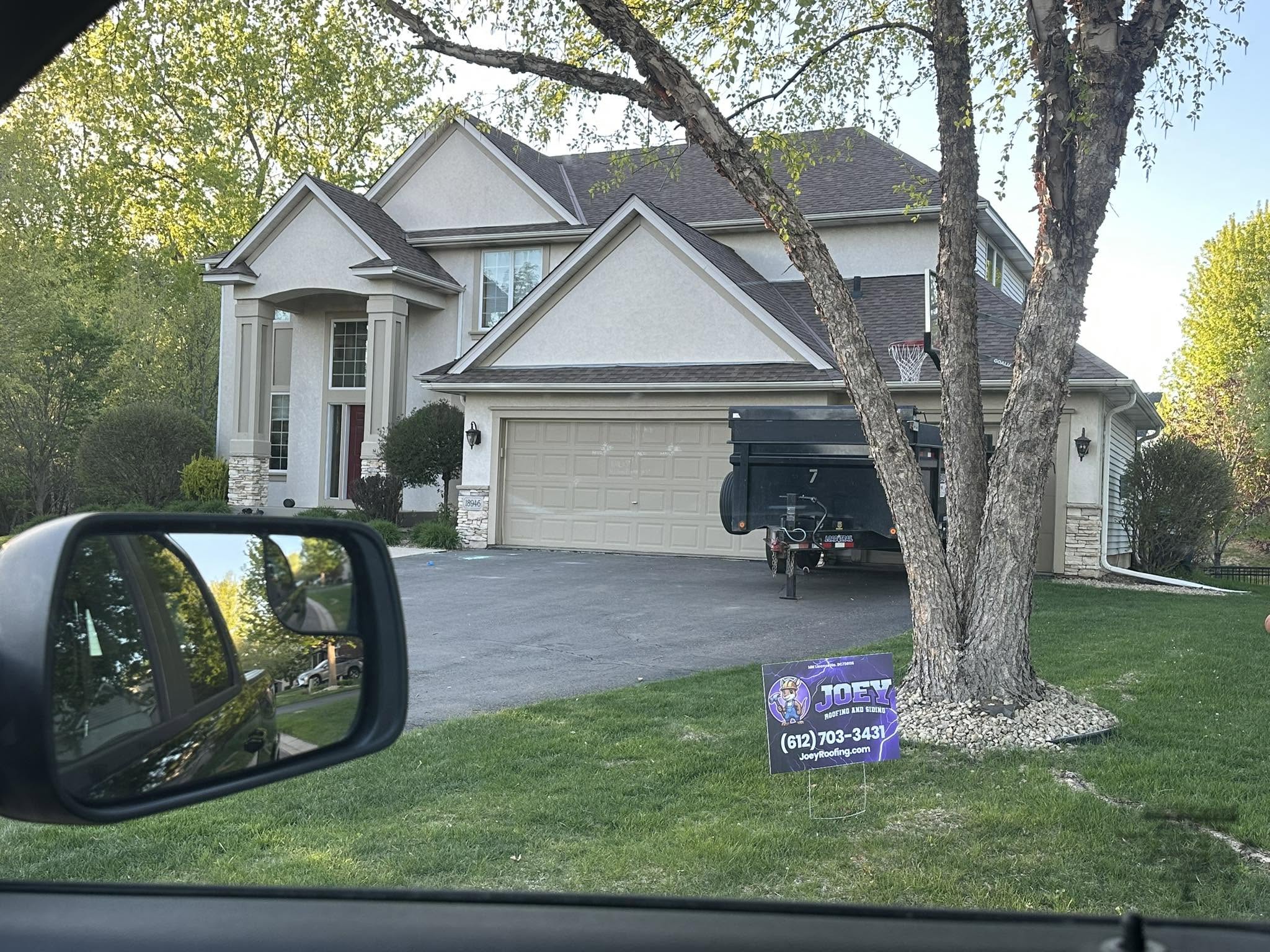
— 18-Point Exterior Inspection
Lock In Your FREE Estimate When You Book Today
The general sequence, not advice on any specific policy
The Insurance Claim Process, Step by Step
Every insurance claim is governed by the specific terms of that homeowner's policy, so this is a general overview of how the process typically unfolds, not advice about any individual policy or claim.
Filing and Assessment
Filing the claim: The homeowner contacts their insurance company directly to report the damage and open a claim.
Adjuster inspection: An insurance adjuster inspects the roof in person to document the damage and determine what the policy will cover.
Scope of loss: The insurance company issues a scope of loss outlining what will be covered and the estimated payout.
Completing the Work
Choosing a contractor: The homeowner selects a licensed contractor to complete the approved work, which does not have to be a contractor the insurance company suggests.
Work completion: The contractor completes the roof replacement or repair according to the approved scope.
Final invoice and depreciation release: Once the work is finished and the final invoice is submitted, any withheld depreciation is typically released by the insurance company according to the policy terms.
Documentation Joey Roofing and Siding Provides Either Way
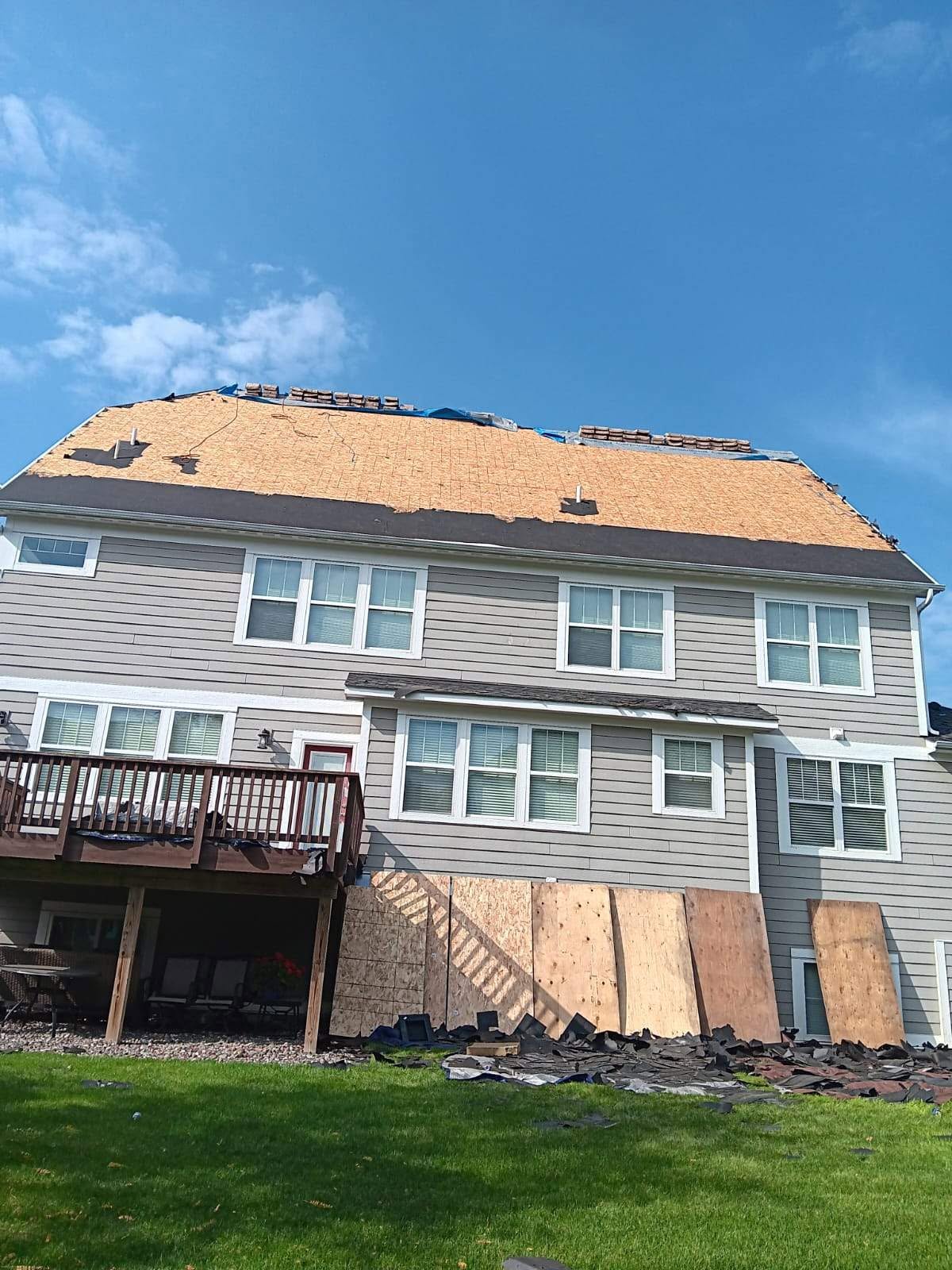
Joey Roofing and Siding documents decking condition and completed work with photos regardless of how a project is being paid for, giving homeowners a clear record to reference for their own insurance paperwork if needed. Specific questions about coverage, deductibles, or claim status are always best directed to the insurance provider handling the policy.
The Perfect Roofing Process
Customer-Obsessed Construction Starts Here
1. On-Roof Inspection Not a Driveway Assessment.
We get on the roof. Every inspection involves a physical evaluation of the shingles, flashings, pipe boots, ridge condition, and exposed decking edges. We check the attic for ventilation balance and signs of moisture damage. If you have been given a replacement recommendation from a contractor who evaluated your roof from the ground, you have not received a real inspection. You have received a sales visit.
2. A Scope Built Around What Your Roof Actually Needs.
After the inspection, we explain what we found and what it means. If the roof is repairable, we say so. If replacement is the right call, we show you why, walk you through every component of the scope, and explain what each line item is protecting against. The scope is custom to your specific roof, not a template adapted with your name at the top. This is the transparent sales process that defines how we operate.
3. Decking Inspection and Documentation Before Installation Begins.
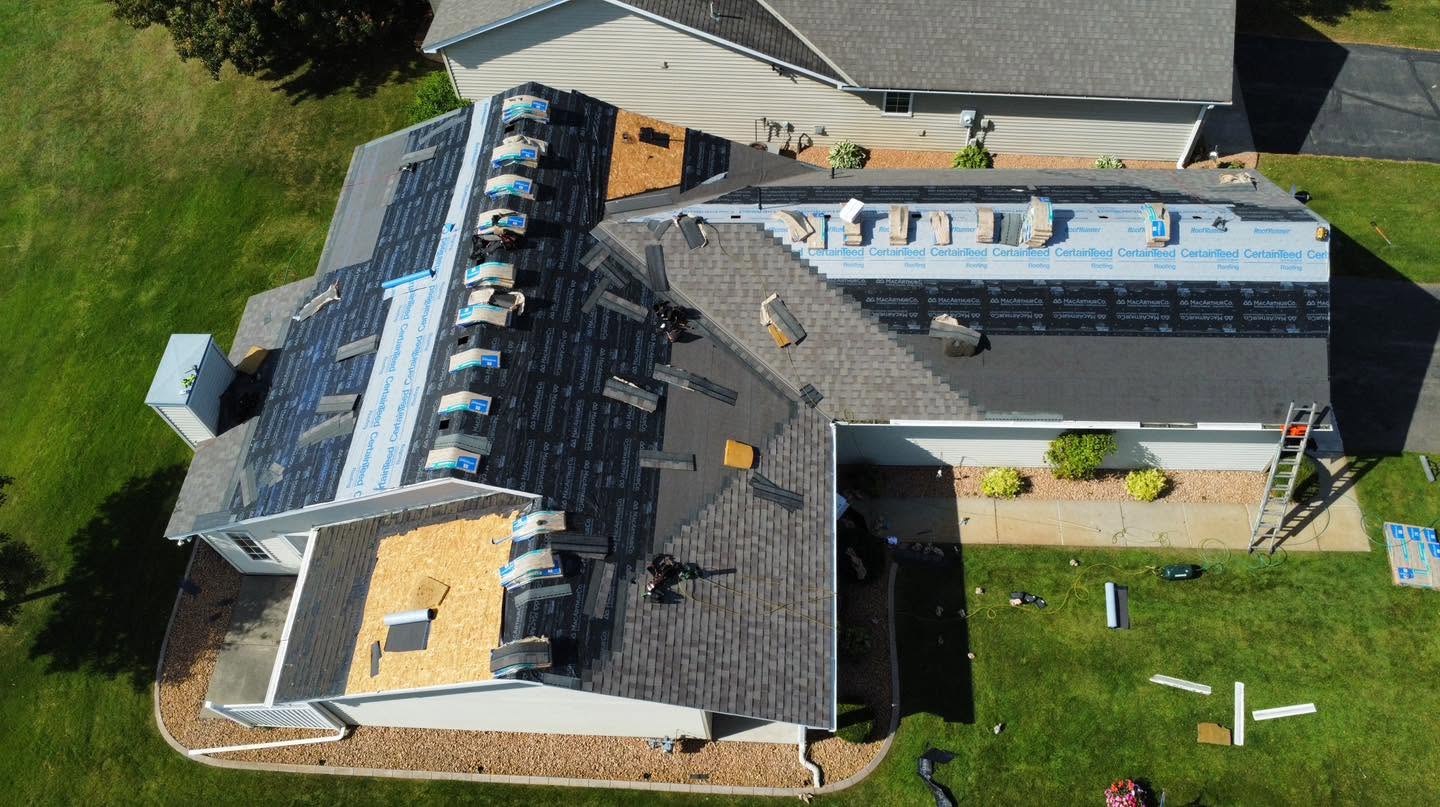
Before any new material is installed, the full roof deck is inspected. Soft spots, delaminated sheathing, and improperly fastened decking are identified, photographed, and addressed. If decking replacement is needed, we communicate the scope and the cost before proceeding, not as a surprise addition at the end of the job. This is the step most shortcuts skip. It is also the step that determines whether the new roof performs as it should over time.
4. Full System Installation Every Layer, Every Transition.
A complete replacement starts with the ice and water shield at every eave and valley, synthetic underlayment across the field, the specified shingle material properly fastened per manufacturer requirements, and new flashings at every penetration and transition. Ridge cap is installed with appropriate nailing pattern and alignment. Pipe boots are replaced, not reused. This is what a full system installation means. It is not the same as a shingle swap.
5. Ventilation Verification Before We Leave.
Before the crew leaves the job site, we verify that the intake and exhaust ventilation is functioning as designed. Blocked soffit vents from installation debris are a documented cause of post-installation ice dam problems. We check them. If a ventilation improvement is part of the scope, we confirm it is working. A roof that performs correctly through a Minnesota winter requires adequate airflow from day one.
6. Cleanup, Walkthrough, and a Contact Who Answers.
Magnetic rollers collect nails from the lawn and driveway. The job site is clean before we leave. You get a walkthrough of the completed work with the same person who scoped the job and managed the installation. If a question comes up after we leave, there is one person to call and that call gets answered. This is not a standard we aspire to. It is the standard our reviews describe.
Frequently Asked Questions
Common Questions Your Neighbors Are Asking
Can I choose my own roofing contractor for an insurance claim?
Yes, homeowners are generally free to select any licensed contractor to complete insurance approved work, regardless of who the insurance company recommends.
What is depreciation in a roofing insurance claim?
Depreciation is the portion of the claim payout an insurance company withholds until the repair or replacement work is actually completed, and it is typically released after the final invoice is submitted.
Who decides what the insurance company will cover?
The adjuster's inspection and the specific terms of the homeowner's policy determine coverage, which is why questions about what is or is not covered should go directly to the insurance provider.
Get Started In Just 30 Seconds
Call The Kangaroo Who Cares For You
Your home deserves a contractor who cares as much as you do. We recognize that any home improvement project is a major investment on your part, and we vow to exceed your expectations. Call the Kangaroo today to schedule your free inspection, or click below to get started!
Service Areas
Proudly Serving Our Chanhassen Community Since 1983

Creating Hoppy Homeowners In Chanhassen and Beyond Since 1983


Fully Licensed & Insured MN: #bC730116 WI: #3101-DCFR
Copyright 2026. Joey Roofing and Siding . All rights reserved.