Call (612) 703-3431 To Schedule Your Free Inspection Today

Siding Contractor in Chanhassen MN
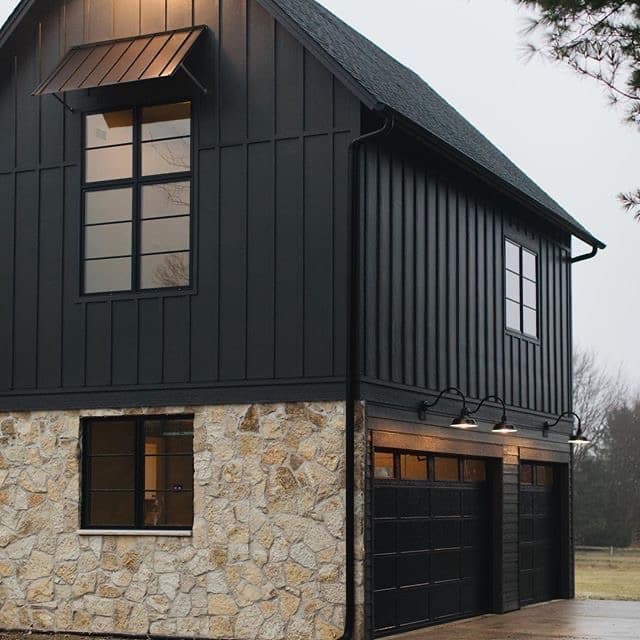
Building Breath-Taking First Impressions
What Siding Installation Actually Covers
For Siding That's As Durable As It Is Beautiful
Vinyl Siding: Installation and repair of vinyl siding systems, a cost-effective and low-maintenance option when installed correctly over a properly prepared wall system. Performance depends almost entirely on what's underneath the water-resistive barrier, the flashing, and the fastening method not just the panel itself.
Metal Siding: Installation and repair of steel and aluminum siding systems, chosen for durability, fire resistance, and long-term performance against Minnesota's wind and hail exposure.
LP SmartSide Siding: Installation and repair of engineered wood siding, a popular choice in this market for its combination of a wood-grain appearance with manufactured resistance to moisture, fungal decay, and impact damage. Requires correct field-cutting, priming of cut edges, and fastening per manufacturer specification to perform as rated.
James Hardie Fiber Cement Siding: Installation and repair of James Hardie fiber cement siding, a premium siding system manufactured from cement, sand, and cellulose fibers that is valued for its exceptional durability, resistance to fire, pests, moisture, and impact damage, as well as its long-lasting paint finish. Requires specialized cutting methods to safely manage silica dust, proper flashing and clearances, and fastening according to manufacturer specifications to ensure long-term performance, warranty compliance, and weather resistance.
Wood Siding: Installation, repair, and maintenance of traditional wood siding, including cedar and other species, for homeowners prioritizing a natural material. Requires the most disciplined moisture management of any siding type and benefits from a maintenance plan from day one.
— 18-Point Exterior Inspection
Lock In Your FREE Estimate When You Book Today
What Homeowners Should Understand About Siding
Why the installation details matter more than the material choice
Siding installation is the process of removing existing exterior cladding from a home and installing a new system that protects the wall assembly from water, air, and the temperature swings that characterize Minnesota's four seasons. It is one of the most visible home improvement projects a homeowner can undertake, and one of the most consequential for long-term building performance. When you search for a siding contractor in Chaska, you are looking for a licensed professional who understands how different cladding materials behave in this climate, how to flash and seal every transition correctly, and how to communicate what they are doing before it is done.
Most siding failures in Minnesota are not material failures. They are installation failures, specifically at the transitions: around windows, at corner trim, at the top and bottom of wall sections, and anywhere a penetration passes through the cladding. Understanding where siding is most likely to fail, and why, makes it easier to evaluate what a contractor is proposing versus what they may be skipping.
Where Siding Fails in Minnesota Homes, and What Prevents It
Flashing at windows and doors is the most common failure point: Water does not penetrate intact siding panels. It enters through transitions. Every window, door, electrical penetration, and hose bib represents a gap in the wall assembly that must be flashed and sealed correctly before cladding is applied over it. A contractor who wraps windows and doors with housewrap tape alone, without rigid flashing at the sill and kickout flashing at roof-to-wall intersections, is leaving the most water-prone locations in the wall without adequate protection. In Minnesota's climate, freeze-thaw cycles cause caulk and tape to crack over time, making correct primary flashing the only reliable long-term defense.
Nailing patterns determine how vinyl performs through winter: Vinyl expands and contracts with temperature. The Minnesota range between a January morning and an August afternoon exceeds 100 degrees Fahrenheit, and siding panels need room to move. Correct nailing centers fasteners in the nailing slot, leaves clearance at overlapping panels, and does not face-nail corners. Vinyl nailed too tightly buckles in summer. Vinyl nailed through the face of the panel instead of the slot creates fixed points where cracking starts. These details are invisible once the job is complete, which is why the installation process and the contractor's understanding of it matters more than the product name on the panel.
Fiber cement requires site-cut edge priming to perform as rated: Cut edges of fiber cement panel expose the core material. Every field cut made on site should be primed before installation. Manufacturers require this for warranty validity. Contractors who skip site-cut priming are leaving exposed cut edges that absorb moisture and swell at the wall plane over time. This is one of the most common workmanship shortcuts on fiber cement jobs and one of the hardest to identify during a visual inspection after the work is complete.
The substrate below the siding matters: Siding removal sometimes reveals rotted sheathing, failed housewrap, or moisture damage to framing. A contractor who covers these conditions without addressing them is installing new siding over a compromised wall assembly. A legitimate professional photographs what they find and communicates the scope and cost of any remediation before proceeding.
When Siding Replacement Might Be Right For Your Home
Late spring through early fall is the reliable installation window: Siding installation in Minnesota requires temperatures above 40 degrees Fahrenheit for caulk and sealants to cure correctly. The productive season runs from approximately May through October, with contractor schedules typically tightest from June through August. September often offers better availability and conditions that are still well within the installation range. Planning a project in early spring or late summer frequently means shorter lead times from first estimate to project start.
After a storm event, the assessment timing matters: Hail large enough to dent aluminum gutters can also dimple vinyl siding. The damage is sometimes visible as small indentations across the surface and sometimes only apparent under raking light or close inspection. Homeowners who have a siding assessment done after a significant storm event have a more complete picture of what a claim would cover before any decisions are made.
When windows are also being replaced, doing both together is more efficient: Replacing siding and windows at the same time avoids the problem of cutting new siding around existing window frames and flashing to the existing window, then having to disturb the siding later to replace the window. The correct flashing sequence at a window opening requires the window to be in place before siding is applied. Projects that combine both happen in the right order by default, and they typically share scaffolding and setup costs.
When wood rot or moisture damage is discovered at trim or framing: Siding removal often reveals conditions that were not visible from the exterior. If rot is found at the window sill framing or at the rim joist line, addressing it during a siding project is both more practical and less expensive than returning to it later. A contractor who finds these conditions and includes remediation in the scope is serving the homeowner's interest. One who covers them is not.
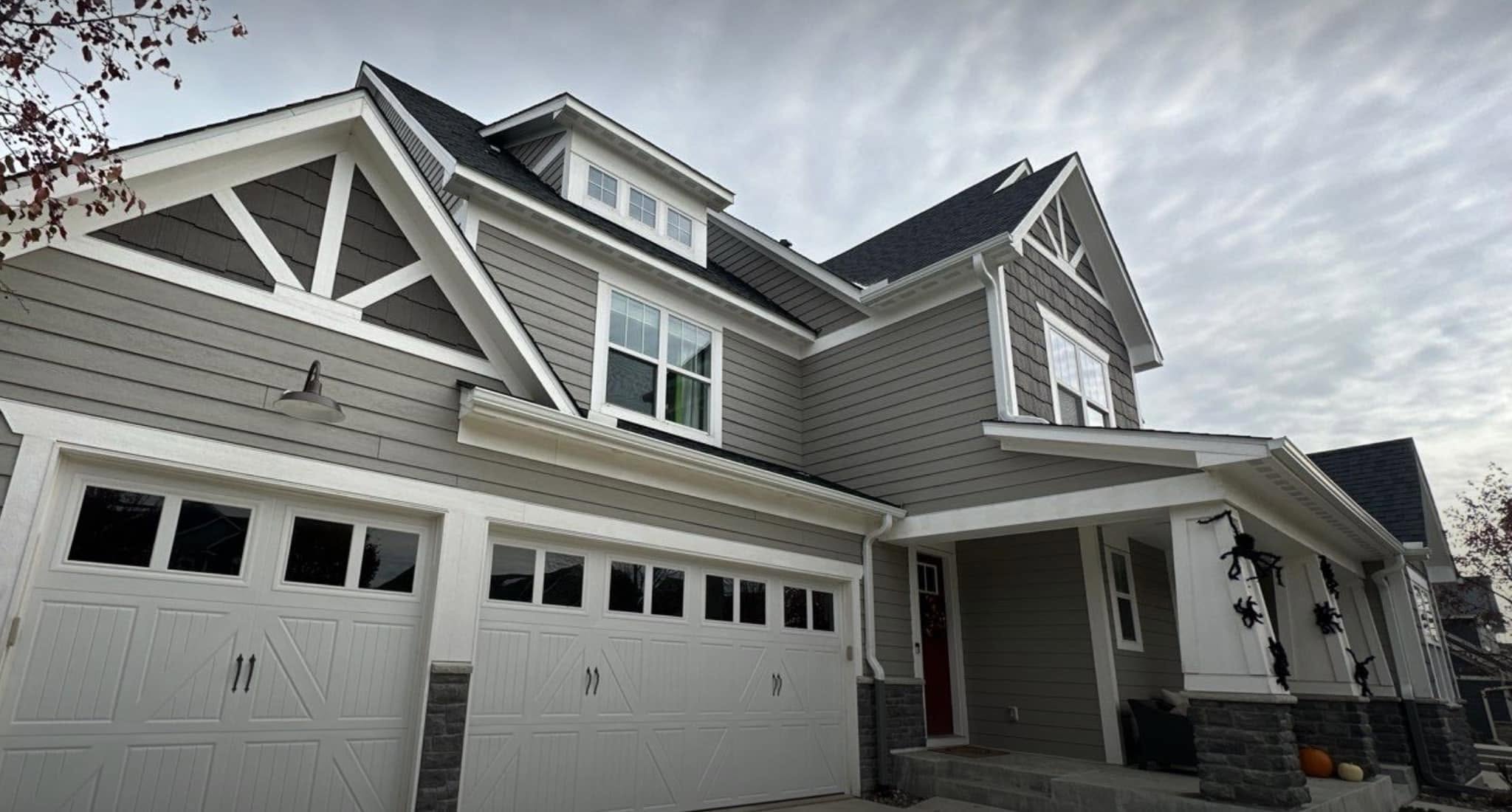
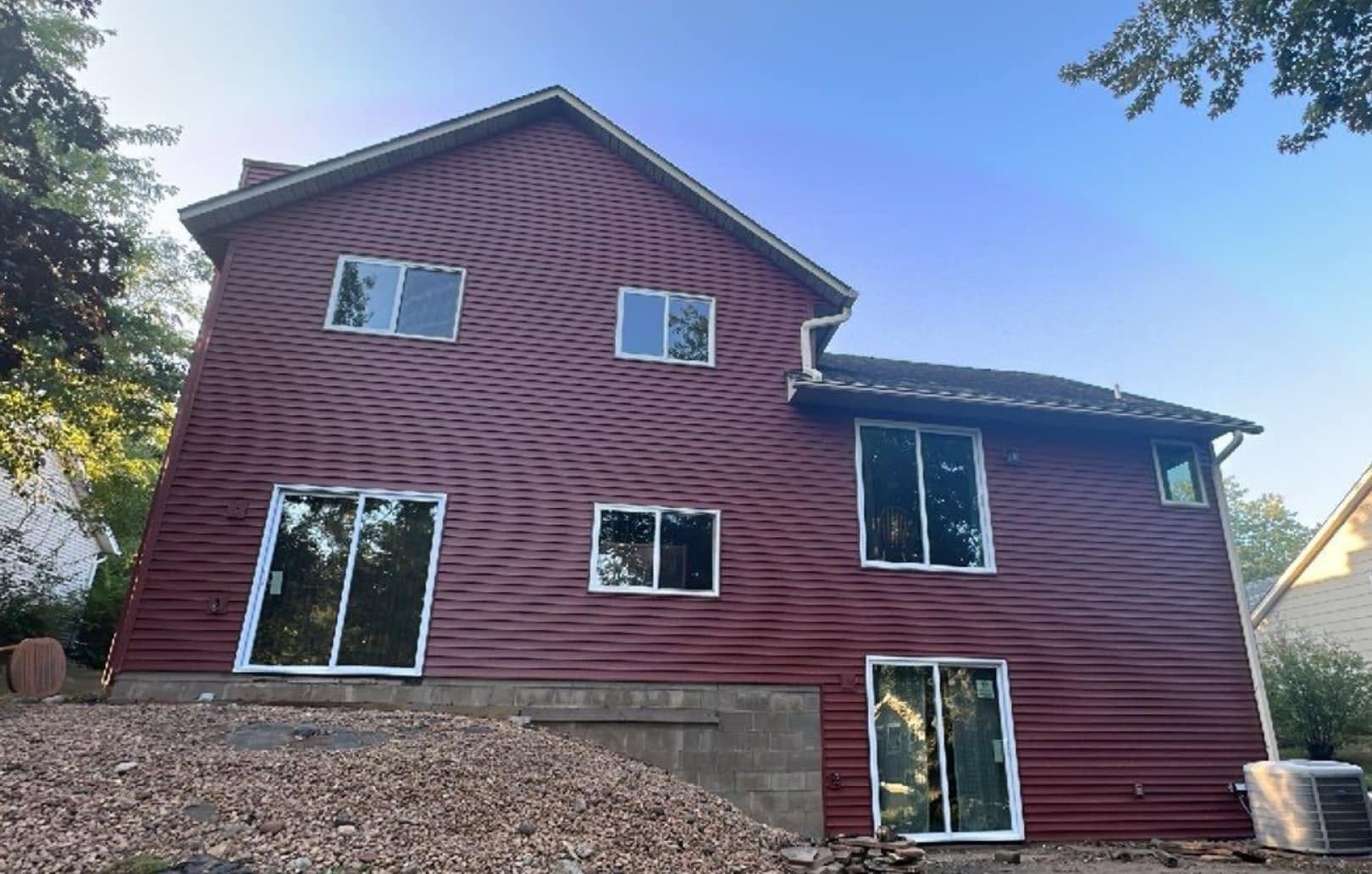
The Perfect Siding Process
Customer-Obsessed Construction Starts Here
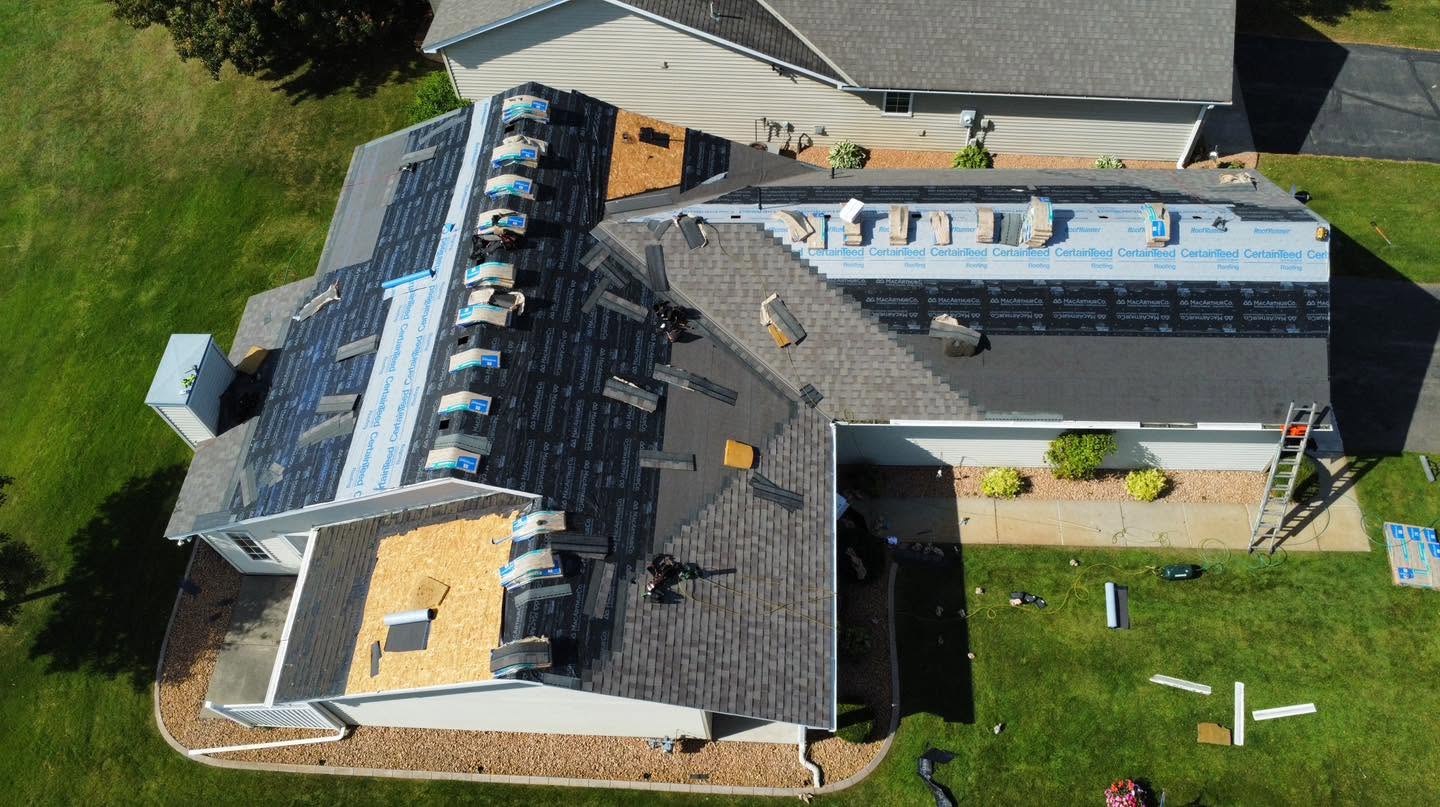
1. Full Exterior Assessment Before Any Proposal.
We walk the full perimeter of the home, assess the current siding condition, note any visible moisture damage at trim and penetrations, and evaluate the condition of the existing substrate where it is accessible. If there are areas of concern, we document them before the estimate is written so the scope reflects what we actually found. You receive an estimate that explains every line item in plain language before you commit to anything.
2. Material Selection With Context.
We explain the practical differences between the materials available for your specific home, including how each performs in Minnesota's climate, what the maintenance requirements look like over time, and how the installation details differ between them. This is not a sales presentation. It is the conversation that lets you make a decision you understand.
3. Substrate and Framing Inspection on Removal Day.
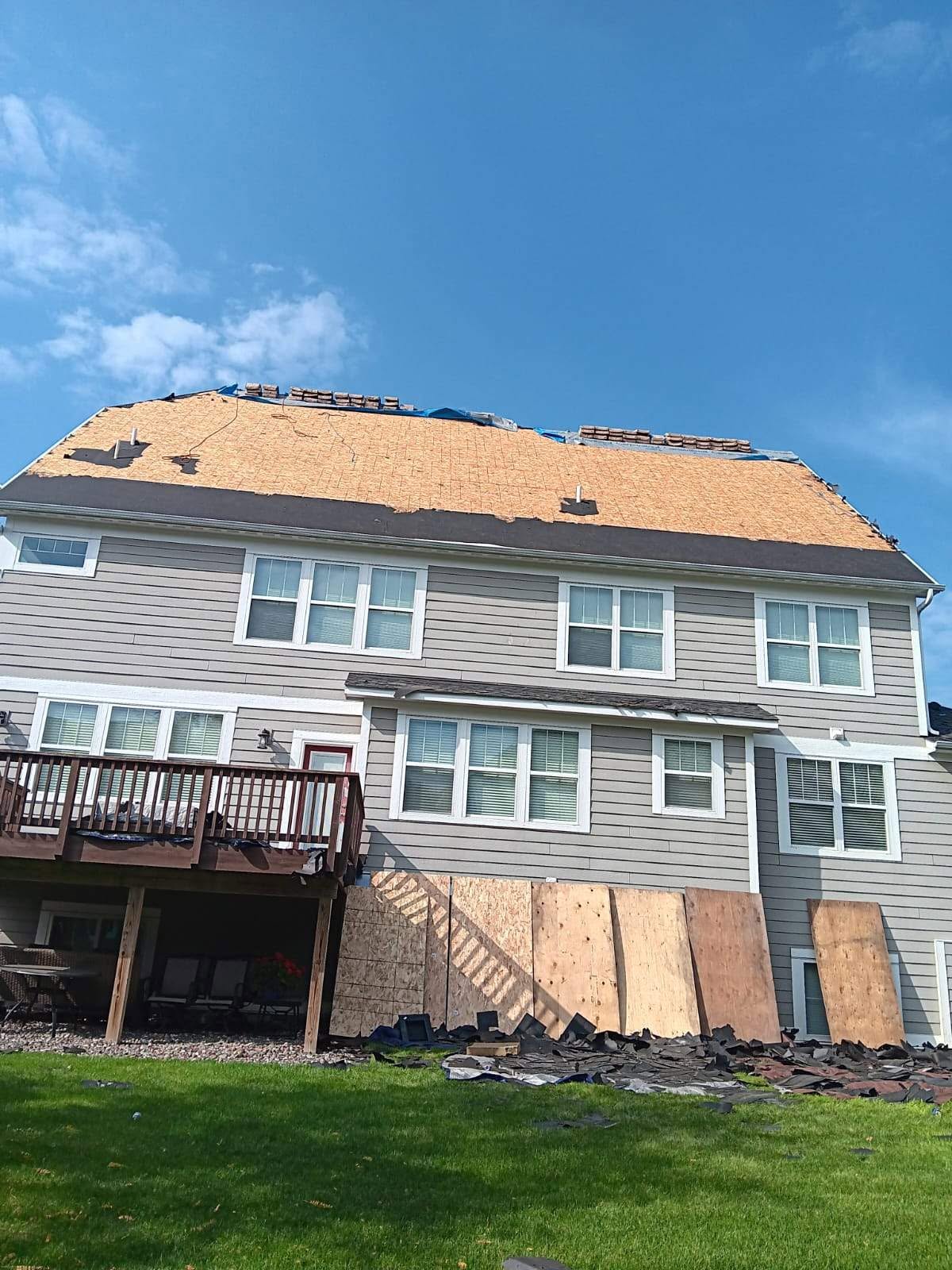
When existing siding comes off, we inspect what is underneath before any new material goes up. Damaged sheathing, rotted framing, and failed housewrap are documented and communicated to you before work continues. If the scope needs to change, you hear about it with a clear explanation and a revised cost before we proceed.
4. Correct Flashing Sequence at Every Transition.
Housewrap is installed in the correct shingled order, lapped at the joints. Window and door flashings are installed before siding begins. Kickout flashings at roof-to-wall intersections redirect water away from the wall assembly rather than letting it sheet down behind the cladding. These details add time to the installation. They are also the details that determine whether a siding job is still performing correctly in ten years.
5. Completed Job Walkthrough and Immediate Follow-Up.
Before we leave, you walk the exterior with us. Every penetration, corner, and transition is pointed out and explained. If anything comes up after we leave, you have one contact and that contact responds. The review that described a job completed in a day and a half with a return visit on Saturday to finish and verify was not an exception. It is the standard.
Frequently Asked Questions
Common Questions Your Neighbors Are Asking
How long does siding last in Minnesota?
Vinyl siding installed correctly with quality product typically lasts 25 to 40 years in Minnesota's climate. Fiber cement, properly primed and painted, is rated for similar or longer service life and holds paint better than wood over that span. The actual lifespan in any specific case depends on installation quality, paint maintenance on fiber cement, and whether water has been getting behind the cladding at penetrations or transitions. A siding system that has been allowing slow moisture infiltration at an improperly flashed window for several years may look structurally sound from the exterior while the framing behind it is showing early rot. The material lifespan numbers assume a correctly installed system, not one with ongoing entry points.
What is the difference between vinyl and fiber cement siding?
Vinyl is extruded plastic and comes in a range of profiles and colors. It does not require painting, holds up well through Minnesota winters when correctly nailed, and is the most common and typically least expensive siding option. Fiber cement is a composite of cement, sand, and cellulose fiber, manufactured in panels that mimic wood lap, shingle, or vertical board profiles. It takes and holds paint better than wood, resists impact and moisture better than vinyl, and is more dimensionally stable. It is also heavier, requires field-cut edge priming, and costs more to install. The right material for a specific home depends on the neighborhood aesthetic, the homeowner's maintenance preferences, and budget.
How much does siding installation cost in Chanhassen, MN?
Siding project costs in the Chanhassen area vary significantly based on the size of the home, the material selected, the condition of the substrate underneath, and the extent of trim, window, and door work included. Vinyl siding on a standard two-story home typically runs in the range of several thousand to ten thousand dollars or more depending on scope. Fiber cement projects run higher because of material cost and installation labor. The only reliable way to know the cost for a specific home is a written estimate from a contractor who has walked the exterior and documented what they found. Estimates that arrive by email without an on-site visit are not reliable bases for comparison.
Can siding be installed in winter in Minnesota?
Siding installation is not recommended in temperatures below 40 degrees Fahrenheit. Vinyl becomes brittle in cold temperatures and can crack during installation. Caulk and sealants do not cure correctly below their rated temperature range, leaving transitions that appear sealed but are not. Emergency repairs can be made in cold conditions with appropriate cold-weather products, but a full replacement project is best planned for the warmer months. Contractors who offer full siding installations through Minnesota winters without specifying cold-weather material requirements are worth questioning.
Do I need to replace my siding if only some sections are damaged?
Partial replacement is a reasonable option when the damaged area is limited and the existing siding is in otherwise sound condition and can be matched. The practical challenge is finding a material and profile match, particularly on older homes where the original product may be discontinued. If the existing siding is older and widespread granule loss, fading, or multiple areas of damage are present, a full replacement often makes more financial sense than a patch that will look different from the surrounding panels. A professional assessment of the full exterior gives you the information you need to make that call accurately.
What Should You Expect When Preparing for New Siding Installation?
Preparing for a siding installation mainly involves clearing the perimeter of the home so the crew has full access to every exterior wall. This means moving vehicles away from the work area, relocating outdoor furniture, grills, and planters away from the house, and trimming back any shrubs or plants growing close against the exterior walls. Homeowners should also expect some noise and vibration throughout the project, along with crew access to every side of the home for the full duration of the job, which for an average sized home typically runs several days depending on square footage and material.
How Do You Choose the Right Siding Material for Your Home?
Homeowners in the Chanhassen area generally choose between four siding material categories, vinyl, LP SmartSide engineered wood, James Hardie fiber cement, and steel siding often marketed under brands like Eco Steel. Vinyl remains the most common choice for its balance of affordability and low maintenance. LP SmartSide offers a traditional wood look with engineered resistance to moisture and pests. James Hardie fiber cement is positioned as a premium, low maintenance option known for exceptional durability and paint retention. Steel siding offers the strongest impact resistance of the group, appealing especially to homeowners prioritizing hail and storm resilience. Each material fits a different combination of budget, aesthetic preference, and long term maintenance tolerance.
Is Vinyl Siding the Right Fit for Your Home?
Vinyl siding remains the most common and most affordable siding option, offering low maintenance and reasonable color retention without ever needing to be painted. Quality varies significantly by panel thickness and whether it includes a foam backing for insulation and rigidity, with thin unbacked vinyl prone to denting and a hollow appearance while insulated vinyl offers a more substantial look and added R value. Darker colors can fade faster and absorb more heat, which increases the risk of warping in direct sun exposure, so color choice matters more with vinyl than with some other materials.
Get Started In Just 30 Seconds
Call The Kangaroo Who Cares For You
Your home deserves a contractor who cares as much as you do. We recognize that any home improvement project is a major investment on your part, and we vow to exceed your expectations. Call the Kangaroo today to schedule your free inspection, or click below to get started!
Service Areas
Proudly Serving Our Chanhassen Community Since 1983

Creating Hoppy Homeowners In Chanhassen and Beyond Since 1983


Fully Licensed & Insured MN: #bC730116 WI: #3101-DCFR
Copyright 2026. Joey Roofing and Siding . All rights reserved.