Call (612) 703-3431 To Schedule Your Free Inspection Today

Roofing Contractor in Chanhassen, MN
What a New Roof Actually Costs in Chanhassen, MN
The real numbers, plainly explained
What a Roof Replacement Actually Costs in Chanhassen, MN
A full roof replacement in the Chanhassen area typically costs between $9,000 and $22,000 for an average sized home, depending on roof size, pitch, material, and how much of the decking underneath needs to be replaced. Most of that range comes down to three factors. The total square footage of the roof, the shingle or material tier selected, and the condition of the decking once the old roof comes off. A straightforward asphalt shingle replacement on a single story home with sound decking sits toward the lower end of that range. A steep, multi level roof, a premium material like standing seam metal, or extensive decking repair pushes the number higher. The only way to get an accurate number for a specific home is a full measurement and a decking inspection, since square footage, pitch, and hidden decking condition all move the price more than the shingle brand does.
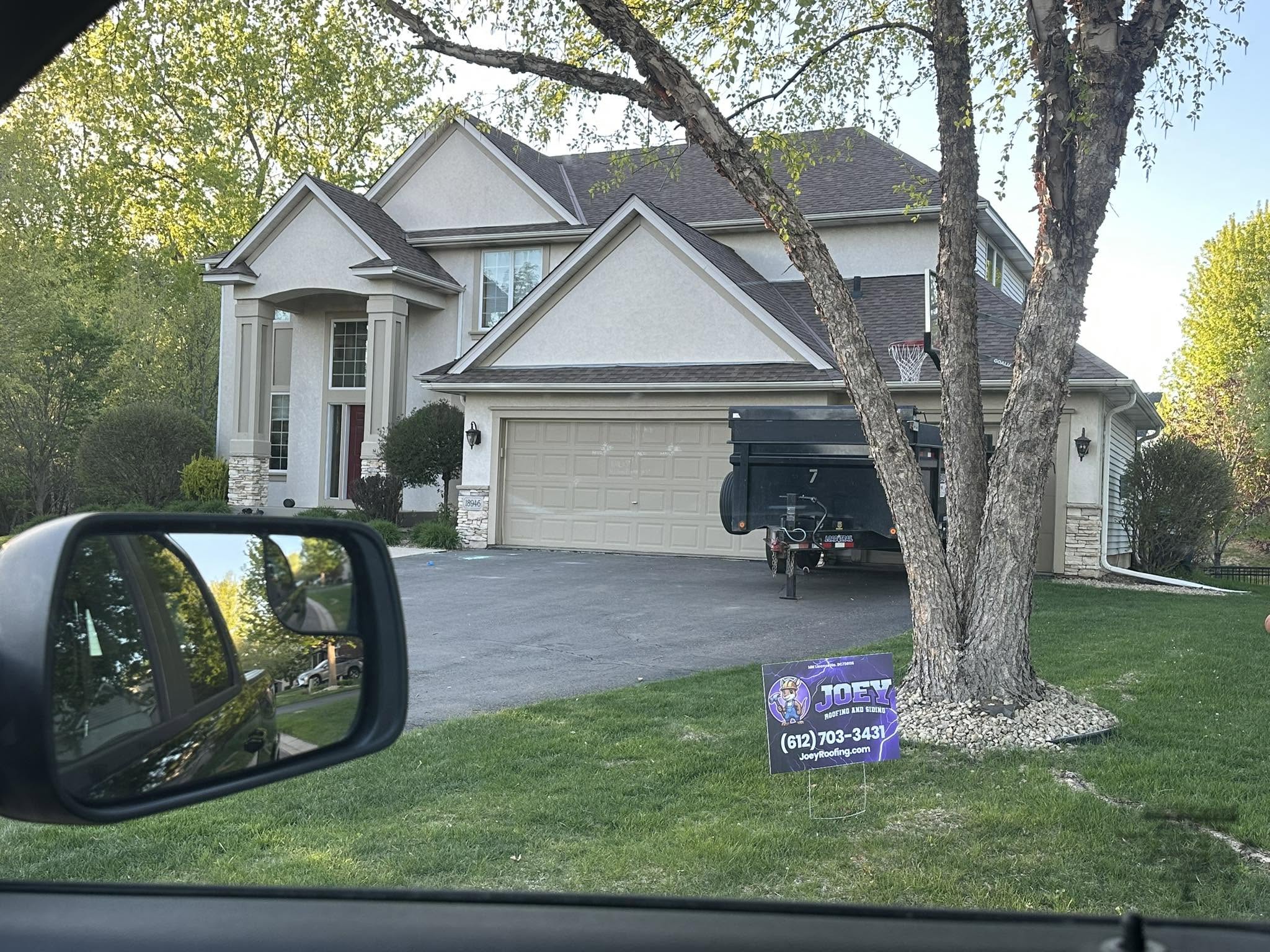
— 18-Point Exterior Inspection
Lock In Your FREE Estimate When You Book Today
Here's what actually drives the number
What Actually Changes the Price of a Roof Replacement
Two roofs that look identical from the curb can carry very different price tags, and the difference almost never comes down to the contractor padding the bid. A roof replacement is priced by the square, one hundred square feet of roof surface, and the total number of squares is the single biggest driver of cost. Pitch matters just as much. A steep roof takes longer to work safely, requires more fall protection, and slows down every stage of the tear off and installation. Material tier is the next biggest lever, since a basic three tab shingle, an architectural shingle, a Class 4 impact resistant shingle, and standing seam metal all carry different material and labor costs. And then there is decking. Nobody knows what is under the old shingles until they come off, which is why an honest quote always includes a plan for what happens if the plywood underneath needs replacing.
What Drives the Square Footage and Pitch Number
Total roof squares: Every roof is priced in one hundred square foot units called squares. A fifteen hundred square foot single story ranch might run twelve to fourteen squares, while a larger two story home with multiple roof planes can run twenty five squares or more.
Roof pitch: A low slope roof is faster and safer to work on than a steep pitch. Steep roofs require additional fall protection equipment and slow down every stage of tear off and install, which adds labor hours regardless of material.
Roof complexity: Valleys, dormers, chimneys, and multiple roof planes each add flashing work and cutting time that a simple rectangular roof does not require.
What Drives the Material and Labor Number
Shingle tier: Architectural or dimensional shingles are the current standard and typically run higher than older three tab products, while Class 4 impact resistant shingles carry a premium but can qualify for insurance discounts in hail prone areas.
Metal or premium materials: Standing seam metal, cedar shake, and composite shake all carry higher material and labor costs than asphalt, offset in most cases by a much longer service life.
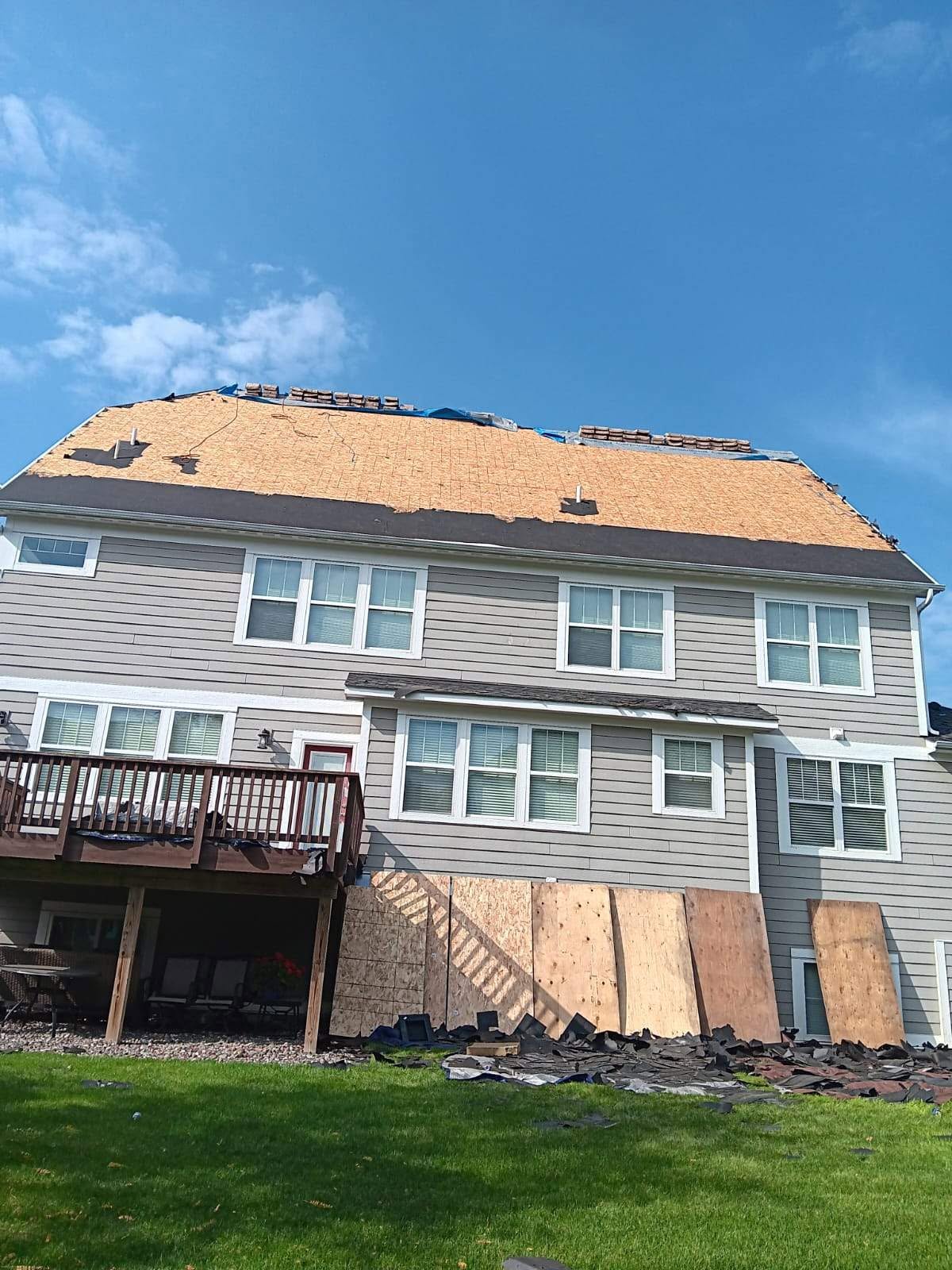
Decking condition: Rotted or water damaged plywood found once the old roof is removed adds a per sheet replacement cost that cannot be accurately estimated until the decking is exposed.
Ventilation and flashing work: Bringing intake and exhaust ventilation up to a balanced system, or replacing step flashing and pipe boots as part of the job, adds line items that a bare bones bid often leaves out entirely.
How Joey Roofing and Siding Prices a Roof Honestly
Joey Roofing and Siding walks the full roof and inspects the decking before writing a number, so the quote reflects the actual home rather than a generic per square estimate. Every proposal breaks out material tier, decking allowance, and ventilation work as separate line items, so a homeowner can see exactly what they are paying for.
The Perfect Roofing Process
Customer-Obsessed Construction Starts Here
1. On-Roof Inspection Not a Driveway Assessment.
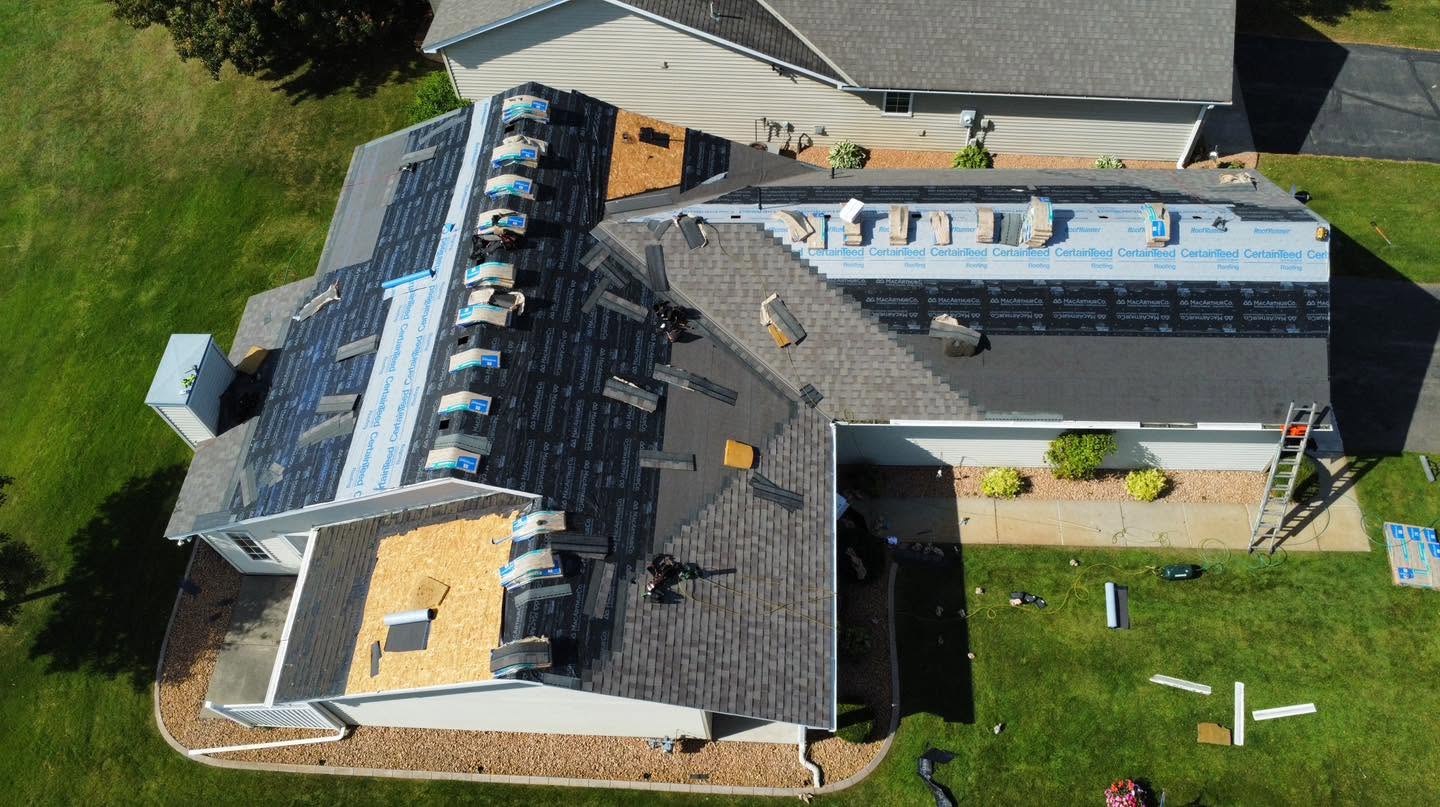
We get on the roof. Every inspection involves a physical evaluation of the shingles, flashings, pipe boots, ridge condition, and exposed decking edges. We check the attic for ventilation balance and signs of moisture damage. If you have been given a replacement recommendation from a contractor who evaluated your roof from the ground, you have not received a real inspection. You have received a sales visit.
2. A Scope Built Around What Your Roof Actually Needs.
After the inspection, we explain what we found and what it means. If the roof is repairable, we say so. If replacement is the right call, we show you why, walk you through every component of the scope, and explain what each line item is protecting against. The scope is custom to your specific roof, not a template adapted with your name at the top. This is the transparent sales process that defines how we operate.
3. Decking Inspection and Documentation Before Installation Begins.
Before any new material is installed, the full roof deck is inspected. Soft spots, delaminated sheathing, and improperly fastened decking are identified, photographed, and addressed. If decking replacement is needed, we communicate the scope and the cost before proceeding, not as a surprise addition at the end of the job. This is the step most shortcuts skip. It is also the step that determines whether the new roof performs as it should over time.
4. Full System Installation Every Layer, Every Transition.
A complete replacement starts with the ice and water shield at every eave and valley, synthetic underlayment across the field, the specified shingle material properly fastened per manufacturer requirements, and new flashings at every penetration and transition. Ridge cap is installed with appropriate nailing pattern and alignment. Pipe boots are replaced, not reused. This is what a full system installation means. It is not the same as a shingle swap.
5. Ventilation Verification Before We Leave.
Before the crew leaves the job site, we verify that the intake and exhaust ventilation is functioning as designed. Blocked soffit vents from installation debris are a documented cause of post-installation ice dam problems. We check them. If a ventilation improvement is part of the scope, we confirm it is working. A roof that performs correctly through a Minnesota winter requires adequate airflow from day one.
6. Cleanup, Walkthrough, and a Contact Who Answers.
Magnetic rollers collect nails from the lawn and driveway. The job site is clean before we leave. You get a walkthrough of the completed work with the same person who scoped the job and managed the installation. If a question comes up after we leave, there is one person to call and that call gets answered. This is not a standard we aspire to. It is the standard our reviews describe.
Frequently Asked Questions
Common Questions Your Neighbors Are Asking
Is a lower roofing bid always a red flag?
Not always, but it is worth asking what is excluded. A lower bid often means a lighter shingle tier, no allowance for decking replacement, or skipped ventilation work, all of which can cost more later if they were needed and left out.
Does roof pitch really change the price that much?
Yes. A steep pitch slows down tear off and installation and requires additional safety equipment, which adds labor hours on top of whatever the material itself costs.
Can I get an accurate price without someone inspecting my roof in person?
A rough range is possible from square footage and material choice alone, but decking condition is invisible until the old roof comes off, so a truly accurate number requires a full inspection.
Get Started In Just 30 Seconds
Call The Kangaroo Who Cares For You
Your home deserves a contractor who cares as much as you do. We recognize that any home improvement project is a major investment on your part, and we vow to exceed your expectations. Call the Kangaroo today to schedule your free inspection, or click below to get started!
Service Areas
Proudly Serving Our Chanhassen Community Since 1983

Creating Hoppy Homeowners In Chanhassen and Beyond Since 1983


Fully Licensed & Insured MN: #bC730116 WI: #3101-DCFR
Copyright 2026. Joey Roofing and Siding . All rights reserved.