
Siding Repair or Replacement? How to Tell on a Minnesota House
By Joey Roofing and Siding · November 14, 2026

We get a lot of calls that start the same way. A panel blew off in a storm, a mower kicked a rock through the vinyl, or a woodpecker found the north wall. Is this a quick fix or the start of a full re-side? Usually it is a repair. Sometimes the visible damage is the last symptom of a wall that has been wet for years. Here is how we tell the difference.
Damage that is usually a repair
Siding is a system of overlapping pieces, and a lot of damage stays local to one or two of them. These are the jobs where we expect to patch and move on:
- A few cracked or holed vinyl panels from hail, a ball or a rock
- A panel or two that unlocked and blew loose in wind
- One damaged corner post, J-channel or piece of trim
- A dented steel or aluminum panel on a single wall
- Localized rot on a wood or engineered wood board near a downspout or deck
Vinyl is the easiest material to repair because the panels lock into each other. The Polymeric Exterior Products Association, formerly the Vinyl Siding Institute, lays out the basic swap: bend out the panel above with an unlocking tool, pull the nails on the damaged panel and remove it, lock on the new panel and nail it up, then zip the upper panel back over the lock. Done right, there is no caulk and no visible patch line.
The color match problem
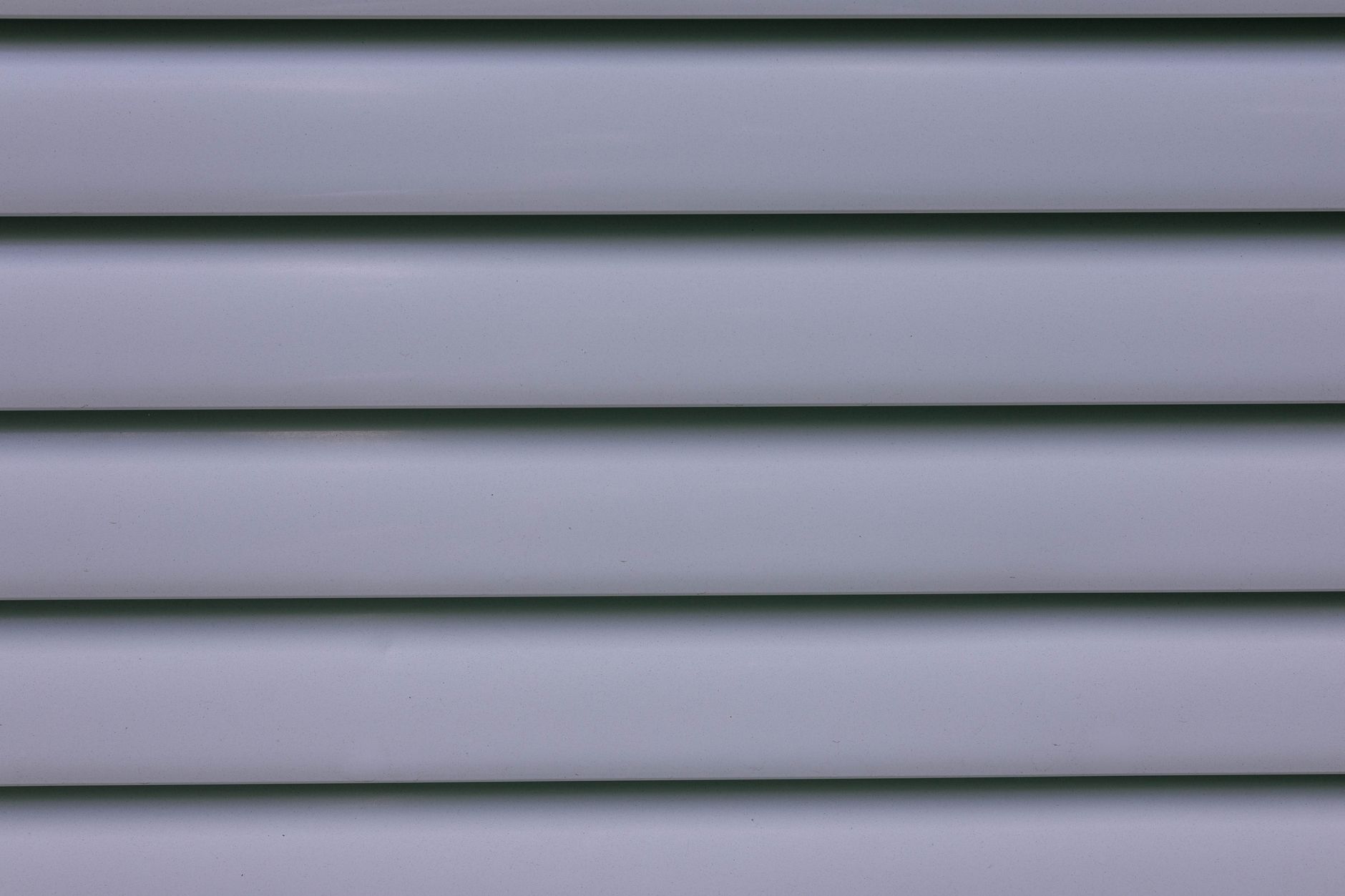
Color is where most repair decisions get made. Siding fades unevenly in the sun, so a south wall that has been baking for fifteen years will not look like a fresh panel from the same product line, even if the manufacturer still makes it. Before we recommend a patch, we check whether a real match is possible. When it is not, there are a few honest options:
- Borrow panels from a hidden spot, like behind a deck, use them on the visible wall, and put the new panels where nobody looks
- Replace one full wall from corner to corner so the color change lands at a natural break
- Re-side the house if the product is discontinued and damage is spread across several walls
We will tell you which of these makes sense before anyone orders material.
Signs the real problem is behind the siding
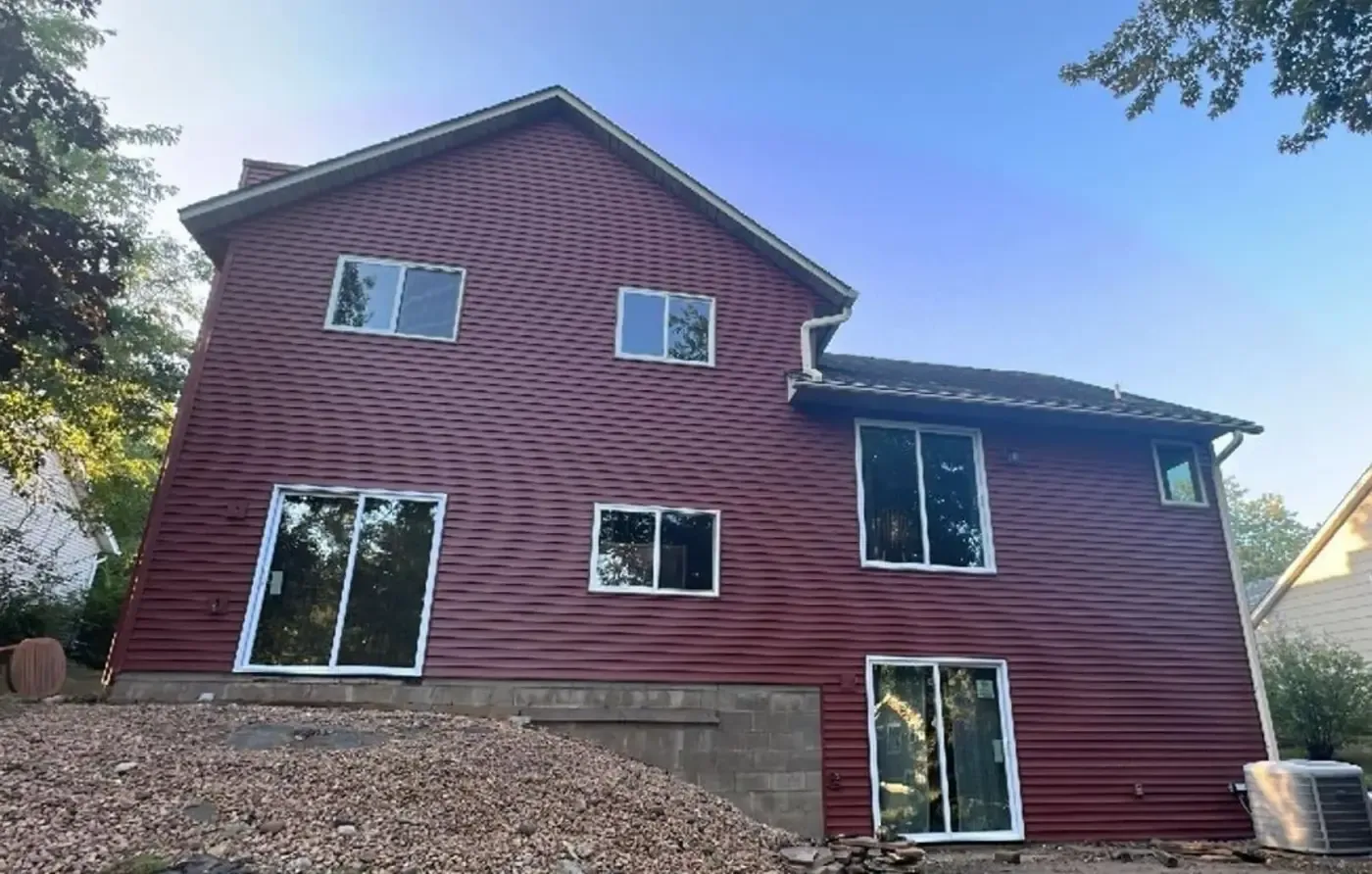
The damage that changes the conversation is the kind you cannot see from the driveway. When water has been getting past the siding at a window, a roof line or a deck ledger, the sheathing and framing underneath take the hit. These are the signs we look for on a walkaround:
- Soft spots when you press on the siding or trim
- Peeling paint or rot at the trim around windows and doors
- Water stains on interior walls near windows
- Panels that are warped or wavy across a whole wall
- No housewrap or flashing behind a panel when we lift it
If a repair opens up the wall and the sheathing is soft, the job grows. The Minnesota Department of Labor and Industry says that when siding has been removed, any rotted or damaged sheathing, framing and insulation must be replaced, and it tells homeowners to contact their city about a possible inspection of those repairs before proceeding. That is why we photograph and explain whatever we find before work continues.
Storm and tree damage
Storm damage can go either way. Hail that cracks a dozen vinyl panels on the west wall is often a one-wall repair. A tree limb that comes through the eave and takes siding, trim and roof edge with it needs the opening protected right away and a proper repair once material is on site. The first visit should be about keeping water out of the wall that day.
"We had Joey out last fall to do roofs and siding. Absolutely perfect from start to finish. Unfortunately, a tree fell on our house only a few months later and damaged our brand new roofing and siding. Called Joey to take a look, he showed up within a couple hours. He mitigated damage to prevent water intrusion until his crews could come out, remove the tree, replace the damaged siding, and repair the roof. ..."
Matt M., 5-star Google review, May 2026
If you think a storm caused the damage, our storm damage inspection documents it wall by wall so you have something clear to show your insurance company.
When full replacement is the better spend
Repairs stop making sense when you are fixing the same problem in more than one place, or when the problem is the original installation and the panels are just the messenger. We usually recommend a full siding replacement when we see:
- Damage or wear on three or more walls
- A discontinued product that cannot be matched
- Brittle, chalky vinyl that cracks when you handle it
- Missing or failed housewrap and window flashing
- Moisture damage at several windows or transitions
Quality vinyl installed correctly typically lasts 25 to 40 years here, and any siding fails early if water has been getting behind it at a poorly flashed window. A full re-side is also your one chance to fix what is underneath: new housewrap, flashing at every window and door, and kickout flashing where a roof meets a wall. If you are weighing materials, our guide to vinyl, LP SmartSide, James Hardie and steel covers the tradeoffs, and our lap siding replacement project shows what a finished re-side looks like.
Permits and timing
The state guidance linked above says building permits are required to re-side an existing home in Minnesota. Whether a small repair needs one depends on your city, so we check before work starts. Timing matters too. Vinyl gets brittle below about 40 degrees and sealants will not cure properly in the cold, so we handle emergency repairs year round and plan full replacements for our installation season, May through October. A winter walkaround still helps, because it settles scope, material and color before spring fills up.
Frequently asked questions
Can you replace just one damaged piece of vinyl siding?
Yes. Vinyl panels lock together, so one damaged panel can be unlocked, removed and replaced without disturbing the rest of the wall. The harder part is color. Older siding fades, so a contractor should check whether a new panel will match before recommending a patch.
How do I know if my siding damage is only cosmetic?
If the damage is a crack, hole or loose panel and the wall behind it is dry and solid, it is usually cosmetic. Soft spots, rotted trim, interior water stains near windows or wavy panels across a whole wall point to moisture behind the siding and need a closer look.
Is siding repair cheaper than replacement?
Almost always, when damage is limited to a few panels or one wall. Repair costs climb when matching material is not available or when rotted sheathing turns up under the siding. A written scope after a walkaround lets you compare both options side by side.
Can siding be repaired in a Minnesota winter?
Emergency repairs can be done in the cold to keep water out of the wall. Full siding replacements are best scheduled between May and October, because vinyl gets brittle below about 40 degrees and sealants do not cure properly.
Who repairs siding in Chanhassen and the southwest metro?
Joey Roofing and Siding is based in Chanhassen and handles siding repair and replacement across Carver County and the southwest metro, including Chaska, Eden Prairie, Shakopee, Victoria and Waconia. Small repair jobs are welcome, and the walkaround is free.

Written by Joey BrueOwner of Joey Roofing and Siding, the family roofing company in Chanhassen since 1983.